Google began rolling out Gemini 4 Neon on November 18 for complex coding, analysis and multi-step agent tasks. The release adds a new model choice for paying developers and eligible Gemini and Antigravity subscribers, rather than opening Neon to every free account.
API cost and limits
At Standard API rates, the paid model, gemini-4-neon, costs $3 per million input tokens, $0.15 per million cached input tokens and $15 per million output tokens. Tokens are the units used to measure model input and output. Caching is implicit; the model documentation says explicit caching is not supported.
Neon accepts text, images, audio, video and PDFs and produces text. Its API context is a combined 1,048,576 tokens for input and output, not a million-token input plus an additional million-token answer. Default synchronous output is capped at 65,536 tokens; long decode can extend output within the shared context limit. Four thinking levels let developers vary reasoning effort, with High the default.
Neon is not automatically cheaper per token than Carbon today. Carbon’s introductory API rates remain $2 input and $10 output per million tokens through November 30, rising to $4 and $20 on December 1. Google’s claims of lower cost per completed task depend on its evaluations and the work involved.
App and coding access
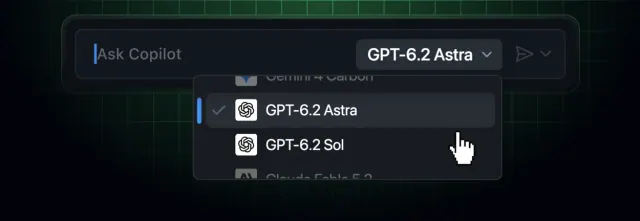
Google AI Pro and Ultra subscribers can select Neon in the Gemini app as it rolls out. Antigravity includes it for paid Pro and Ultra users and enterprise access through Gemini for business, with a context window up to 512K. Free and Google AI Plus plans do not include Neon in Antigravity; Pro trials qualify only with eligible premium devices.
Antigravity also adds Orchestrator (Neon) for eligible Pro and Ultra users. Neon plans and reviews while Hydrogen carries out implementation work, handing control back when needed. Enterprise access includes Neon but not this Orchestrator option.
API token prices do not specify how quickly an Antigravity subscription allowance will run down on a particular job.