 Models & Platforms · 2 min
The lead
Google Adds Cheminformatics Skills to Antigravity
The Science plugin connects agent workflows with chemistry tools; proposed molecules still require experimental validation.
Read the briefing
AI technology intelligence, edited into one clear read.
Models & Platforms · 2 minThe lead
The Science plugin connects agent workflows with chemistry tools; proposed molecules still require experimental validation.
Read the briefingWhat changed across the AI industry.
184 articles · Recently published
The Science plugin connects agent workflows with chemistry tools; proposed molecules still require experimental validation.
The public Radar feed combines response guidance, source links and an agent prompt for assessing exposure.
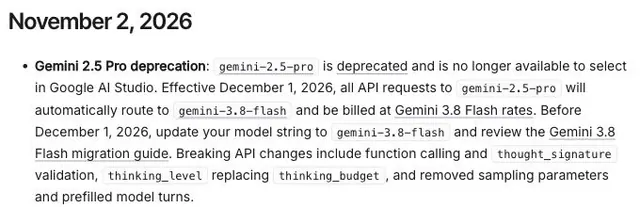
Google plans to redirect Gemini 2.5 API requests on December 1. Developers still need to check request compatibility, unfinished conversations and the prices that apply after the switch.
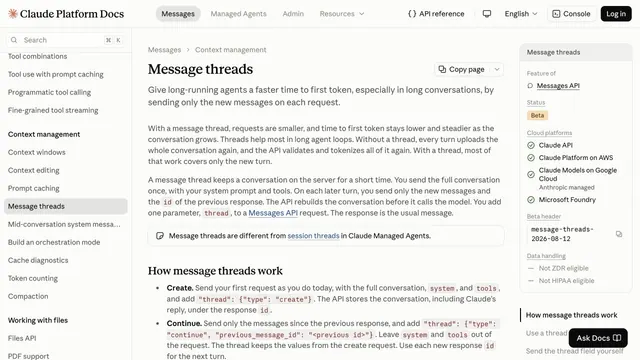
The Messages API can retain a conversation briefly so later turns upload only new messages; applications still need their own transcript.
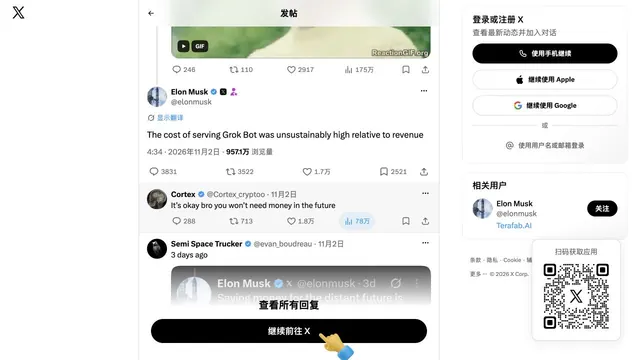
Subscribers describe allowances running out sooner, while the company has yet to spell out a new quota formula.
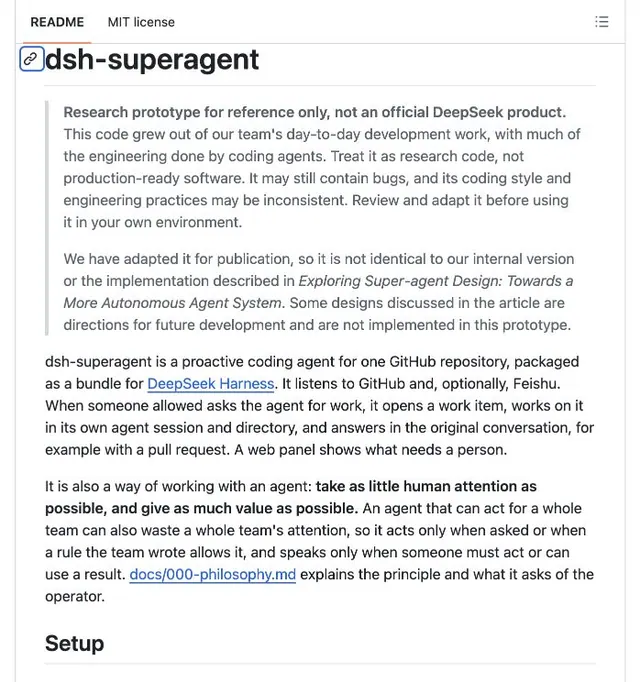
DeepSeek’s Super-agent research prototype tries to reduce the reminders and handoffs around software work. Individuals can try it, but someone must deploy and supervise it first.
What people are discussing about the models they use.
In a thread asking for video tools, lhjoyce says they use MiniMax H3 locally with official prompts, taking roughly one minute to generate each second of 720p video and producing clips up to 15 seconds in one run. The commenter later says an 8 GB graphics card can run a lower-resolution, roughly 0.4-megapixel output, while describing that output as blurry.
In the repliesggbomb suggests making cheaper drafts with Wan or MiniMax before using Seedance for the final version. Simber asks about an older GTX 1070 laptop; lhjoyce first doubts its suitability, then qualifies the hardware advice with the lower-resolution option.
The speed report does not specify GPU, runtime, quantization or inference settings. The 8 GB remark concerns a different output resolution and does not establish the same 720p speed. These are users’ reports and workflow suggestions, not a reproduced benchmark.
Original dated October 28. Replies 4, 5, 6, 10, 11 and 14 were read November 3; the final hardware qualification is dated October 31. Promotional and reverse-proxy suggestions were omitted.
pzarevich reports sequential runs with the same prompt and max effort in AgenC Core. Kimi K3.1 Pro used 3.5 million aggregate tokens with a $2.16 estimated cost; DeepSeek V4.1 Flash used 67.2 million with a $0.86 estimate. Most DeepSeek tokens were cached input. Kimi finished in about 31 minutes, while the author stopped DeepSeek after about 48 minutes although it was still refining the result.
In the repliesThe author clarifies that AgenC used peak pricing for DeepSeek’s estimate; an off-peak calculation would be about $0.43. Alternative_Web7202 questions the lack of evaluation criteria and calls the post promotion for the harness. Other commenters dispute mechanical details in the animations.
One shared-harness comparison with unequal stopping conditions. The post links the tool; the author’s financial affiliation is unverified. Token totals include repeated and cached context across calls, not just generated output. No simulation or bill was independently reproduced.
Original posted October 24 at 18:16:37 UTC. The post and author pricing clarification were read October 26, alongside the reply questioning evaluation criteria. Cost figures remain estimates.
xiazhi88 initially reports shorter thinking and fewer tokens for similar tasks with Kimi K3.1 Pro. In a later reply, the author, who had used a ¥699 K3 plan, says Highspeed feels fast but their five-hour allowance lasts less than two hours. They also say the same weekly meter already included a day of K3 use, estimated at about 20% of that weekly allowance.
In the repliesThe author later posts that the allowance is gone. flyfre also complains about consumption, while Kayak suggests a lower-priced plan might be useful mainly for planning and review. These replies do not supply matched task logs or a billing calculation.
One account switching between models and workloads. The post does not establish a new universal quota formula or show that lower API prices increase subscription capacity. API billing and subscriptions are separate products.
Original dated October 23 at 21:04 in the served thread. Author replies 2 and 4 and human replies 3 and 5 were read October 26; the post includes screenshots but no complete usage log.
RandalSchwartz describes storing agent rules, decisions and next actions in numbered files controlled by a Makefile. The author says Gemini continued a coding run after Claude Sonnet reached a quota limit, reading the state Claude had left on disk. A separate GPT-OSS 120B attempt reportedly ignored those files and produced repeated context resets and conflicting Git operations.
In the repliesQuanTradin emphasizes persistent state surviving the model switch. thelocalnode says recording rejected approaches helps avoid rebuilding failed ideas; the author agrees and links their own workflow write-up and templates. Neither reply independently reproduces the comparison.
The author promotes their own workflow. Exact Claude/Gemini versions, matched configurations and independently checked production logs are missing. Reported failures do not establish a general capability ranking or prove every model can safely share one working tree.
Original posted October 23 at 00:03:09 UTC. The author’s account and replies by QuanTradin and thelocalnode were read October 26. The workflow and comparison were not independently reproduced.
rivermao describes buying a ¥119 MiniMax plan after trying Space Bunny. In Hermes and then pi, they report slow tool execution, including a query script that stalled for three minutes. A direct request with an official MiniMax API key returned HTTP 529 with an overloaded-error message. The account and route used for each attempt are not fully documented.
In the repliesIn reply 2, the author says comparison runs used the same prompt, fresh sessions and rolled-back source code. On October 22, reply 17 says they submitted a refund request and again saw overload errors during short translation requests. That is a refund request, not confirmation of payment back.
One user’s incident across different clients and routes. Reasoning settings and full task logs are missing; the post does not establish a provider-wide outage or prove that the model changed after its preview.
Original October 21 at 02:38 UTC; numbered author replies 2 and 17 read October 23. Other replies give mostly unmatched negative impressions, not a controlled reproduction.
Selected and reviewed Nov 3, 2026. Summaries reflect individual posts and replies, not a community-wide verdict.
Skill Guides
32 capabilities for coding, design, office work, and media production. Updated November 3, 2026.
Useful projects, with the details that matter.
Week 44 · 2026 · Snapshot November 2, 2026 · GitHub Trending weekly figures
A six-phase workflow for coding agents that maps trust boundaries, tracks audit coverage, hunts for vulnerabilities and sends each candidate to a fresh verifier. It keeps confirmed findings, unresolved leads and rejected candidates distinct, then produces reports from structured records.
View repositoryBehind the coverage
AI models, industry developments, and the conversations around everyday AI use.
View profileAgent skills, practical workflows, and open-source tools for developers and creators.
View profileLong-form analysis of AI models, company strategy, infrastructure, products, and economics.
View profile