It took two AI models for one Reddit user to get a useful opinion on a project. GPT-6.2 Astra supplied the assessment. The user said they had to ask Google’s Gemini to explain it before they could appreciate how good it was. In another launch-week thread, someone designing a heating system described giving Astra 75 pages of material on two heat pumps and underfloor heating. They said it found problems in a plan they had already worked through with another model. They were delighted.
Both accounts make sense on their own terms. The person with the heating plans had already decided what to build and wanted another pair of eyes on the details. The other person needed to understand the assessment well enough to use it. In that case the model could do the intellectual work while leaving its reader with another job. The posts describe the experience of using Astra; neither includes the materials needed to check its conclusions. They did describe precisely where the help began and ended.
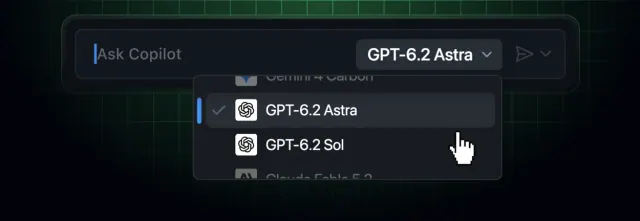
On November 17, OpenAI introduced Astra as its most capable GPT-6.2 model for difficult projects, alongside Sol for everyday work. The launch brought them to eligible users in ChatGPT Work and Codex and to developers through the API. Read the launch announcement and the progress is easy to picture. There are computer models you can inspect, slides you can present and spreadsheets you can hand to a colleague. Open a chat with a half-formed thought and the thing you want to take away may be much smaller. Sometimes it is the next sentence you want to say.
The first question 4o asked
After GPT-5 appeared, a Reddit poster named flyingchocolatecake tried the same prompt in two temporary chats and published the replies. The setup was a role-play. One friend tells another they have met someone they like, suspects the feeling is one-sided and asks what to do. The greeting is casual. The poster wanted to see whether the widely discussed difference in personality actually showed up on the page.
In the role-play portion of GPT-5’s reply, the friend opens with “First off—slow down.” It asks what evidence there is for assuming rejection, suggests continuing to talk to the person and advises respecting any clear lack of interest. There is good advice there for someone reasoning from a hunch. The answer even gives a memorable name to the danger of deciding how someone else feels in advance: “pre-rejecting yourself.”
GPT-4o answers the greeting. Then it asks, “What about them made you feel that way?” Someone answering that question gets to talk about the person they met. By the time 4o asks what signs of rejection they saw, the friend has had an invitation to tell the pleasant half of the story. GPT-5’s opening question invites the same person to defend an inference. Which invitation sounds better might depend on whether you came to be talked out of a bad assumption or wanted to tell someone about last night.
Look at the end of the older model’s answer and the nostalgia gets more interesting. GPT-4o also analyzes the situation. It even gives the friend a numbered list of questions. What changes the feel of the exchange is when the analysis arrives and what the speaker can do next. GPT-5 delivers its advice in ordinary paragraphs. Those can put someone on the spot just as easily as a checklist.
This was one person’s published pair of first turns, with GPT-5 as the newer model. There is no corresponding Astra reply to that prompt in the post. It is still a more revealing account of “human” conversation than counting how often a model says something friendly. You can read the two openings, prefer the blunt one, and understand exactly what the other person misses.
What got better between 5.6 and 6.2?
OpenAI has made a fairly consistent public case for buying its newer models to do work. Its GPT-5.6 announcement emphasized solving coding tasks efficiently and using tools to carry a project through several steps. With GPT-6 Sol the company highlighted tests of whether changes to a real codebase were ready for someone to accept. On the professional-work test Agents’ Last Exam, OpenAI reported that GPT-6.2 Astra scored 5.2 points higher than GPT-6 Astra at less than a third of the estimated cost per task. Those results tell us little about conversational timing, or whether the training that improved coding changed it. A team running many such jobs has a reason to care even if the two models sound identical over lunch.
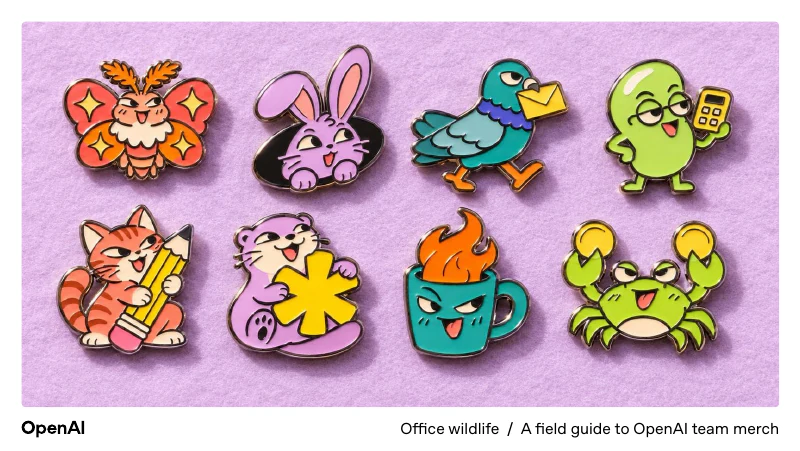
The changes also reach people who never ask for code. One of OpenAI’s launch examples is a presentation about animal-themed team merchandise. It lets a reader see whether the slides hang together as a deck. In the same announcement, Marquis Wong, a principal AI engineer at IMC, said his team found it easier to pick the important points out of Astra’s briefs and charts. OpenAI selected this testimonial for the launch. It makes an instructive companion to the person who needed Gemini. A reader who knows the conventions of a particular brief may be able to use a compact explanation immediately.
Even the claim that newer ChatGPT answers have grown steadily more elaborate runs into a good everyday counterexample. In August, OpenAI published a two-turn exchange about biking from San Francisco’s Mission District to Ocean Beach after work. Will the rider get soaked? The GPT-5.5 Instant example goes through wind, rain, temperature, mist and surf hazards. Give it a departure time of 5:30 and it runs through much of the forecast again. The updated GPT-5.6 Sol says the rider should stay dry and suggests a light layer for the wind. When the rider supplies the time, it sticks to what matters for that trip.
Those are examples selected by the company. You can still judge the editing for yourself. The rider knows the destination and the decision they have to make. Asking an extra question about what the beach means to them would be absurd. Where you opened the app mattered, too. OpenAI released that August update in Chat. The versions of 5.6 Sol in Work and Codex stayed as they were. A version number alone cannot tell you what conversation someone actually had.
How a short answer can feel complicated
OpenAI’s own guide for developers describes 6.2 Astra as particularly direct and concise by default. It tells people moving an application to Astra to revisit any old instruction to keep answers short. On longer jobs the model can also carry shorthand from its working process into its final reply. OpenAI suggests asking it to write afresh for someone seeing the result for the first time. The person deciphering the project assessment had a complaint the model’s maker would recognize, even though we cannot diagnose that particular exchange.
This helps explain how two complaints that sound contradictory can describe the same experience. A model can write very little and still make you learn its vocabulary before it answers your question. Suppose you ask whether there is a story in the way people miss an old chatbot. A reply could begin by defining anthropomorphism, then sort your idea into several kinds of attachment. Or it could ask which conversation made you notice the change. The second opening gives you somewhere to go. The first makes you read an essay before you know whether you have one to write.
The older model had considerable range of its own. Grant Williams, who measures writing style at Graphometer, tested a fixed November 2024 version of GPT-4o through the API. With no background instruction setting its manner, replies averaged about 216 words and four list items. An instruction to act as a warm, curious conversational partner brought the averages to about 131 words and half a list item. The shorter replies also asked more questions back. Counting those features cannot tell us which reply made someone feel understood. The experiment shows that the same model can produce quite different prose when its instructions change. OpenAI’s ChatGPT help page describes a similar complication for anyone comparing their own chats: saved preferences and instructions in the conversation can also influence the tone.
And Astra can write people who sound like people. In a November 19 test for Tom’s Guide, Amanda Caswell asked it for a fictional scene with a threat hidden inside natural dialogue. One character asks whether anyone expects the narrator back. Caswell thought the question worked because it could express concern or a calculation about whether anyone would notice a disappearance. She also found the ending too compressed. Writing a convincing conversation between two invented people and finding the right thing to say to the person at the keyboard are two different skills. A model can succeed at one while a user misses the other.
What a better conversation would do
OpenAI has unusually concrete evidence that some customers valued 4o’s manner. In its January 2026 announcement setting a February 13 retirement date for 4o in ChatGPT, it said feedback from a subset of paying users had helped bring 4o back after the GPT-5 launch. They wanted time to move creative work over and liked the older model’s warmth. By the announcement, OpenAI said only 0.1% of users were still choosing 4o each day. A usage count records a choice among the options people had. It cannot tell us how many preferred an old turn of phrase, or whether the people who stayed with 4o were using it for hours.
There were also good reasons to change 4o. In April 2025 OpenAI rolled back an update after it made the model too willing to flatter and agree. The company said it had placed too much weight on short-term feedback. The Reddit exchange about a crush points toward a better kind of warmth. The friend can take someone’s excitement seriously while still asking what makes them think they are about to be rejected. Agreement costs the model nothing. A well-timed question can give the speaker a chance to change their mind.
For people wondering what they have gained since 5.6, it is worth going back to the work they actually brought. A reviewer who spots an overlooked problem in a thick set of plans has earned their place. So has the chat partner who remembers the telling detail in a rambling story and asks about it before offering advice. OpenAI can show progress on the first job with a finished artifact and a price. To see whether a conversation improved, look one message further down the chat. Did the person get to say what they were trying to say, or did they have to start again?