
Imagine you’re leaving for a work trip a day later than expected. You ask an assistant to find the hotel confirmation, call the front desk and move the check-in from Tuesday to Wednesday if it costs no more than $50 extra. The request takes one sentence. Doing it takes access to a reservation, a conversation with the hotel and permission to commit to a new price. A perfectly accurate answer about the booking would still leave you with a phone call to make.
Instinct offers the kind of assistant you can text or call with a request like that. The company says its assistant can use a phone and computer, and lists booking trains, buying groceries and sending flowers among its examples. In September, TechCrunch reported that Instinct raised $1 billion at a $10 billion valuation and had rolled out a concierge feature for making calls on users’ behalf. The Atlantic’s Lila Shroff tried the service with a temporary phone number and a virtual credit card. She asked it to find a gift for her editor on a $25 budget and reported that it arranged bookstore pickup and emailed him. That was one test with a particular setup. The same article cites a user who said the assistant canceled a flight while trying to look up the cancellation terms.
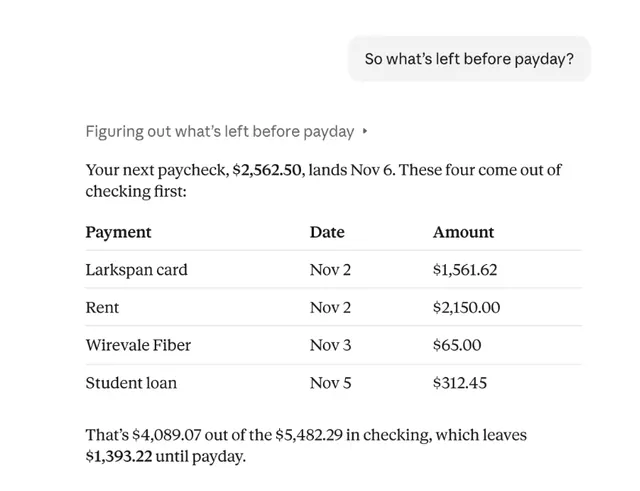
Claude’s November 5 Personal Finance launch comes at the same question from another direction. Anthropic’s beta lets Claude read selected financial accounts through Plaid. It can explain spending without being able to move money. A bank connection helps answer where the money went. A hotel change requires a third party to act. The permissions that make each job possible can be granted separately.
Reading the reservation
To find a hotel reservation, an assistant needs the confirmation or a way to retrieve it. If you have it open, sharing that one email gives it a hotel name, dates and booking number. Connecting a mailbox saves the search next time. It also gives the assistant access to information beyond this booking, to the extent permitted by the connection.
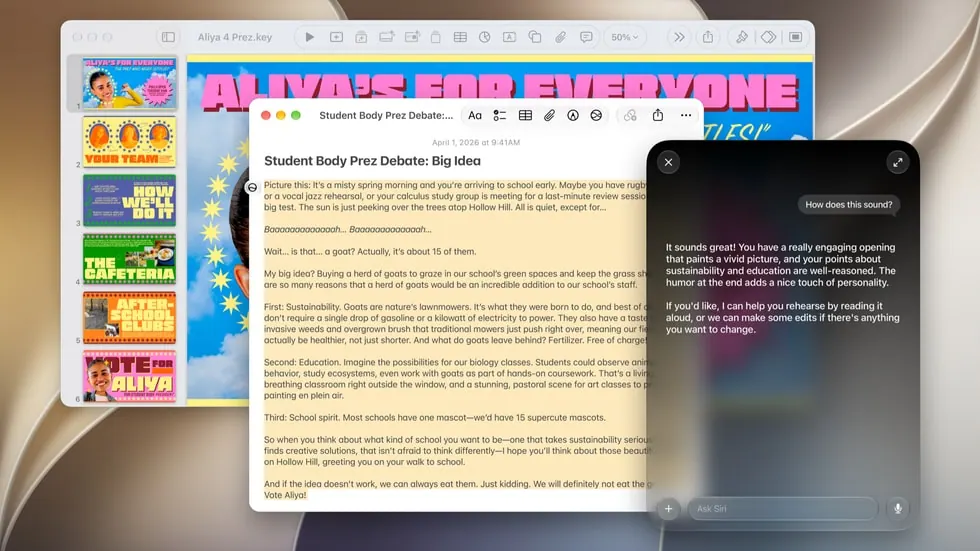
Apple’s Siri AI illustrates why access to context can matter even for a brief task. On compatible devices in supported markets, the beta can surface information from messages, email and photos, and act through supported apps. Finding a confirmation number in an old message is a useful job by itself. OpenAI’s dots are designed for tasks that continue between conversations. OpenAI began rolling them out to eligible Pro and Business Premium users in supported markets. OpenAI documents background work, scheduled tasks and the ability to form memories from connected apps, even when the user has not asked a specific question about that information. That can make a recurring job easier to delegate. Disconnecting an app does not remove information the dot already obtained.
Claude shows how much one connection can reveal even when it only permits reading. The U.S. beta is rolling out on Pro, Max and Ultra. For the accounts a user chooses, Anthropic says Claude can see balances, credit limits and up to 24 months of transactions. Merchant names and descriptions can reveal patterns that an individual receipt would not, such as where a household shops and which services it pays for every month.
That history gives Claude something useful to work with. Ask why spending rose on one card last month and you can check its explanation against a closed statement. An estimate of how much cash you will have before payday is harder. Anthropic says balances can be a day or two old and spending figures can leave out an unreadable bank. The convenience of a connected account depends on whether its records cover the question and are current enough to answer it.
Calling the hotel
Once the booking is found, the job moves outside the assistant’s interface. Someone has to wait on hold, ask whether the new dates are available and find out what happens to the old rate. Even when the agent has all the right information, the hotel still has to accept the request. A call summary saying the agent asked for a change is a different outcome from a new confirmation issued by the hotel.
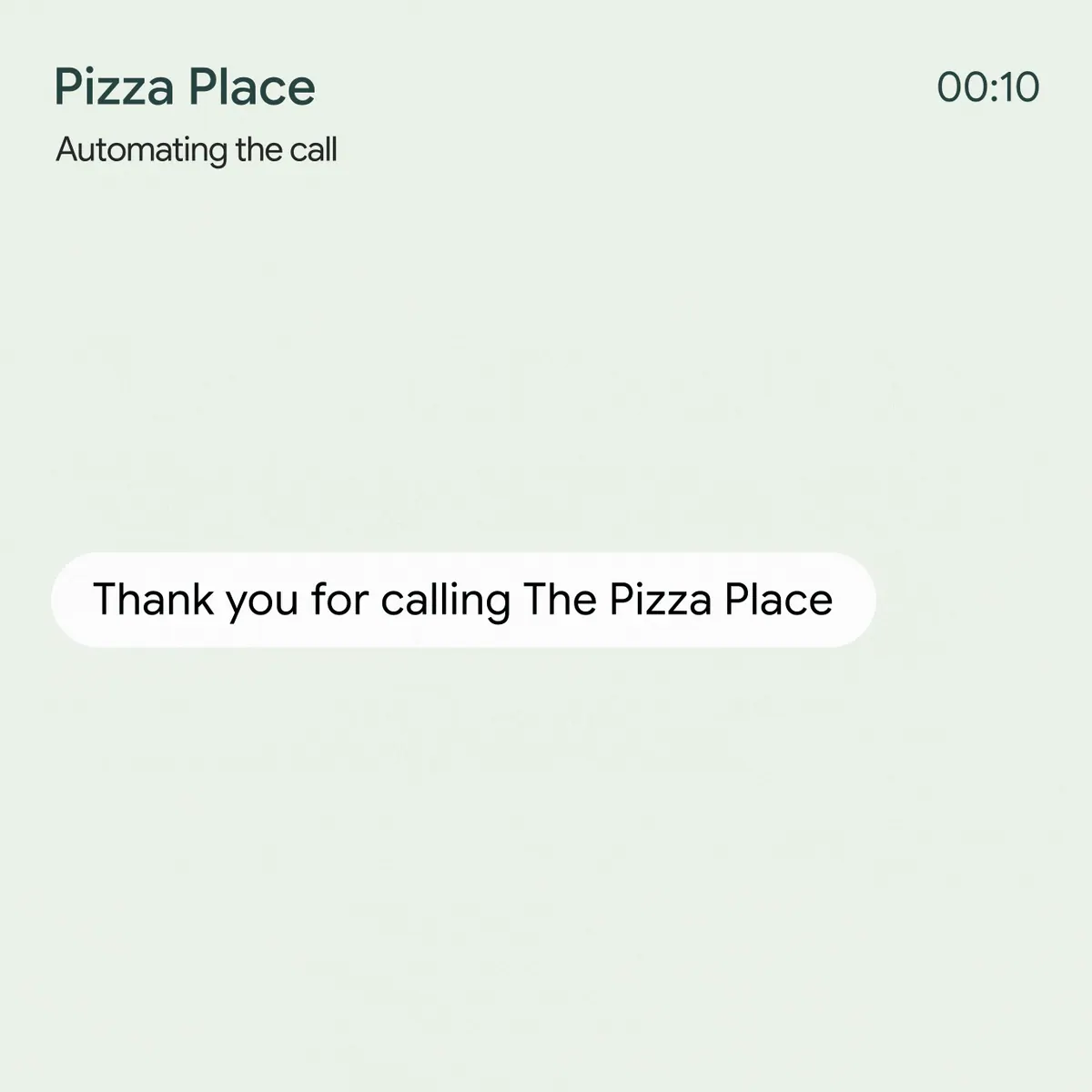
Google has documented a narrower version of this job. Its Gemini calling feature is rolling out to eligible Pixel users and can call U.S. businesses to get quotes, wait on hold or manage reservations. Before placing a call, it shows the number it will dial and details it proposes to share, such as a name or contact information. Google excludes payments and sensitive financial details from these calls. The assistant can do much of the waiting and questioning while leaving a card request for the user.
The strongest case for a broader assistant is a task that gets stuck between channels. A reservation site may have no button to move a booking, while a receptionist can do it in a minute. An assistant that can move from email to a phone call can help precisely where a single app’s automation stops. That flexibility is central to Instinct’s pitch. It still depends on the business accepting the call, recognizing the authority to make a change and providing a way to confirm it.
Paying the difference
A $50 limit answers one question about the hotel change. It leaves others open. Does the $50 include taxes? Can the assistant accept a room that becomes nonrefundable? Can it cancel the original booking before securing the new one? A useful instruction can authorize a particular action under particular conditions. When the hotel proposes something outside those terms, the assistant can bring the decision back with the relevant details already assembled.
Meta’s Muse gives an example of how checkout can be separated from access to card details. Meta says Muse, which it began rolling out in the U.S. in September, can work in the background and asks before making a purchase. With Stripe Link, checkout uses a one-time card number while keeping the underlying card details hidden. This is an online payment flow for supported purchases. A hotel asking for a card number over the phone is a separate problem.
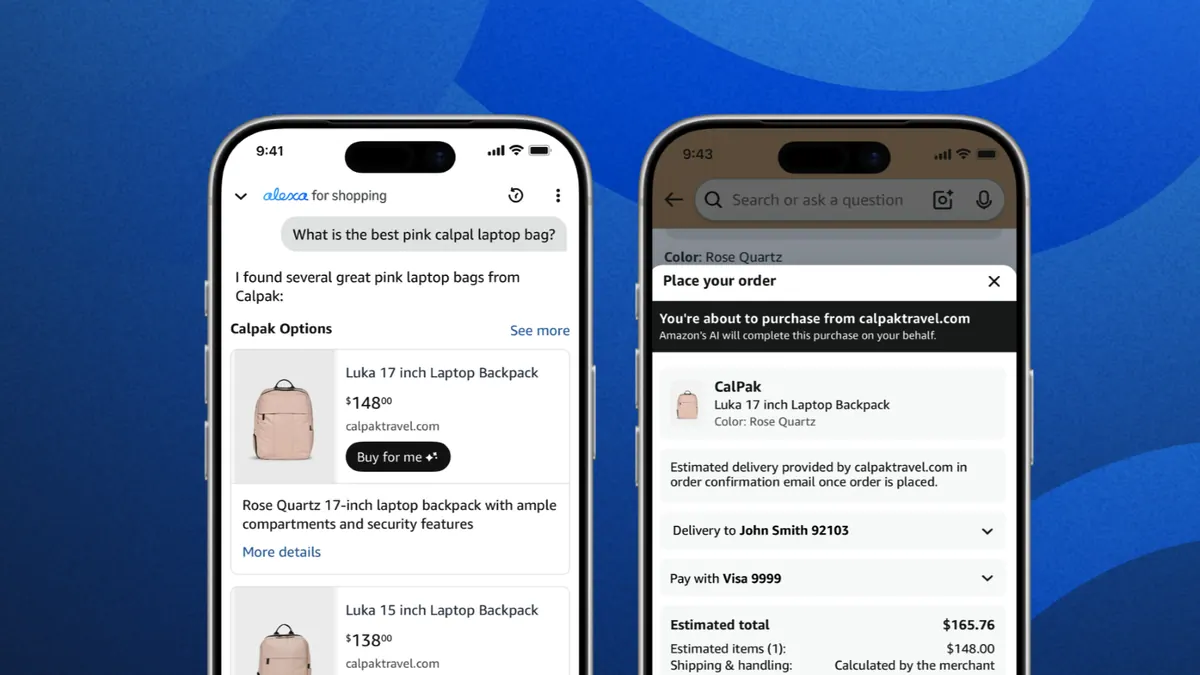
Amazon’s Alexa for Shopping illustrates a narrower form of standing permission. Amazon says a U.S. customer can specify an item and a target price and let the assistant buy it when the price is reached, using the customer’s default payment method. The person has already chosen what to buy and at what price. OpenAI’s dots document another approach, with custom confirmation rules for some sharing, access and purchasing actions. A rule can specify when to ask or hand off, subject to the product’s safeguards and the permissions of the connected app. Neither example establishes that a product can make the hypothetical hotel change from start to finish.
What matters after any of these actions is what the user gets back. For the hotel, that is a new confirmation with the dates, total price and cancellation terms. For shopping, it is an order and a way to deal with a wrong item or return. A receipt tells you what happened, which is especially valuable when you did not watch the assistant do it.
What the assistant keeps
The hotel example can be handled with an order number, a name and permission for a specific change. A request to keep track of every upcoming trip gives the assistant a job that continues after this call ends. The assistant needs a continuing source of bookings, and it may retain preferences or details for future use. That saves repeated explanations. It also means more information can be available when a new request arrives, even if that request has nothing to do with the original booking.
Claude makes this distinction concrete. Anthropic says conversations inside the Personal Finance hub are excluded from model training, while ordinary chats follow the user’s usual privacy settings. Linked accounts can be used in ordinary chats unless the user changes the relevant connector setting. If Claude puts a balance into an artifact or shared chat, unlinking the bank stops future reads. The balance already included in the output can remain visible until the relevant item is removed. Permission to read, permission to act and the lifetime of the resulting information each need their own controls.
Ongoing access earns its keep when the work keeps coming back and the timing matters. An assistant that can see a stream of bookings can notice when two reservations overlap. A shopping assistant can watch a known item for a price drop. Both jobs benefit from persistence. Neither job requires the same data, and the fact that a reservation assistant can see upcoming trips gives it no reason to read bank transactions.
The change for households is easy to underestimate because the work arrives in fragments. Finding a confirmation, waiting for a representative and chasing a corrected receipt may take three separate interruptions. If an assistant absorbs those steps, the person’s remaining work is to set the terms and handle exceptions. How much attention it actually saves depends on how often it finishes, how often it has to ask and how much work it takes to correct a mistake. For the hotel change, the difference is whether you end the day with a new reservation you can verify, and whether the assistant needed anything beyond the information and authority for that one job.