
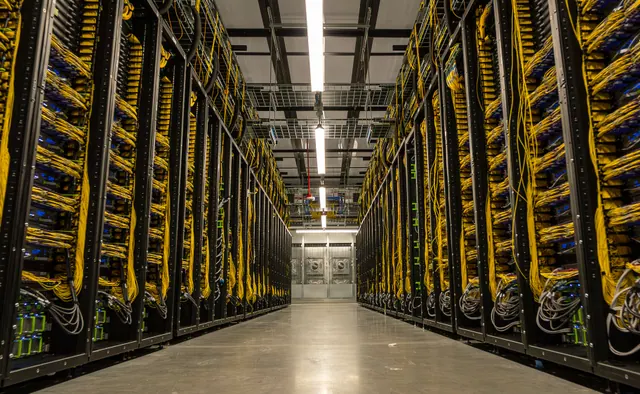
The Ohio training cluster already supports Muse models; its planned final scale and next hardware generation remain ahead.
01 · Tech News
Follow the AI industry.
179 reports following 64 companies and partnerships from model release to physical deployment.
All Tech News
Browse every report, including the current lead.
Tag: Meta
16 articles · By source / event date · Page 1 of 1
The downloadable coding model supports local customization, but its hardware needs and commercial license matter as much as its benchmark scores.
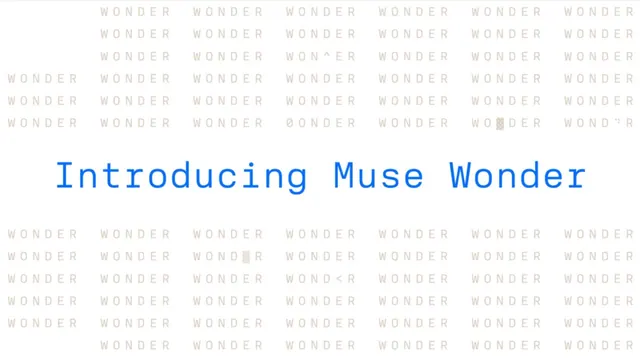
The standard Muse Wonder model enters the Meta Model API and Muse Code, while Muse Wonder Full is available to Muse Code subscribers ahead of planned consumer rollouts.

Developers can now link custom ESP32 microcontrollers and Linux systems to Meta's Muse assistant, but backend service terms restrict tokens to personal, noncommercial deployments.
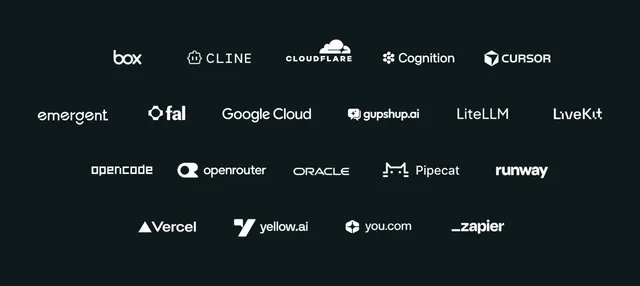
Meta’s Connect recap moves its hosted model API beyond preview, while coding tools, cloud partnerships and local weights give developers distinct routes into the Muse family.

Meta’s confidential-computing design could make cloud inference harder for the company itself to inspect. That is meaningful protection for data in computation, but it does not answer the privacy questions that begin before a request reaches the server.
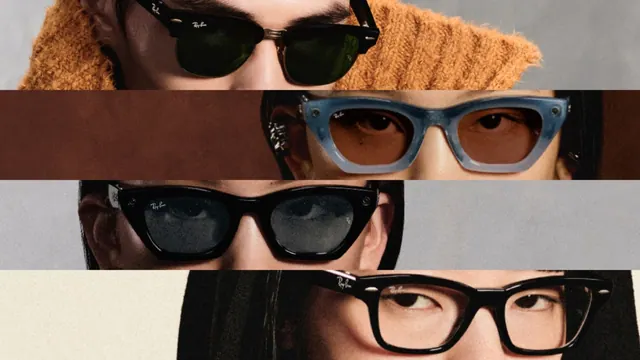
Meta's $349 audio-only glasses keep calls, music and voice AI but leave out camera-based features. The new camera-equipped Ray-Ban Meta (Gen 3) starts at $449.
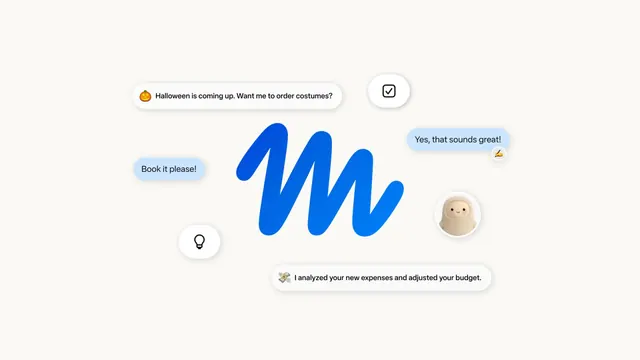
A slightly sharper model is an ephemeral advantage; the enduring prize is the living record of a person's unfinished tasks, verified authorizations, and accumulated life patterns. As companies race to run our errands, whoever manages our daily context will command our highest switching costs.
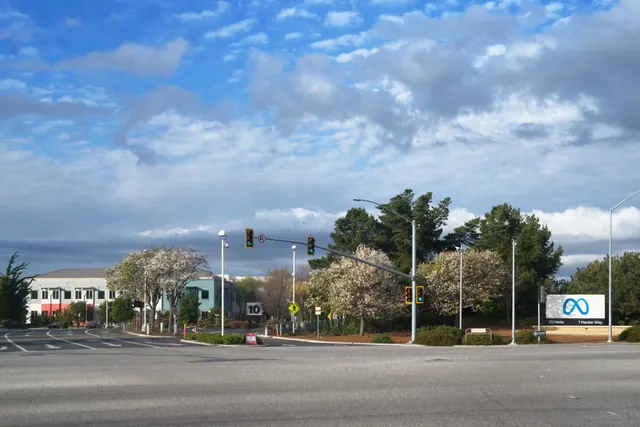
The reported return of selected managers inside Meta’s Applied AI group is not proof that flattening failed. It is a reminder that making more work, faster, creates an integration problem of its own.
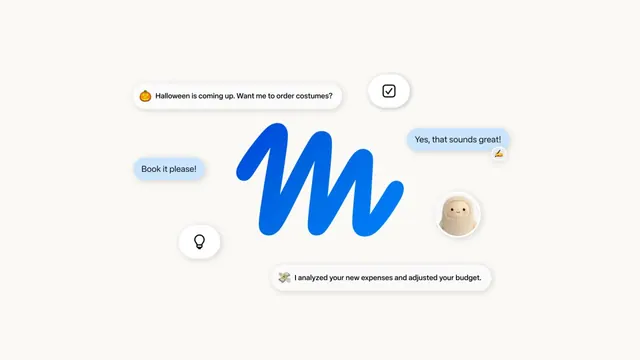
The agent works on tasks in a dedicated cloud computer. Meta says users control connected services, while stronger encryption with user-held keys is planned for later this year.
Muse Spark 1.3 makes Meta credible as a frontier API vendor. Whether it becomes infrastructure other companies can own still depends on three artifacts Meta has not released.
Meta has launched a developer public preview of Muse Spark 1.1 on its new Meta Model API alongside immediate consumer access in Meta AI, highlighting active history compaction within a 1-million-token context window.
Reliance Industries will build the facility in Gujarat with expansion options, supported by seawater cooling and 925 MW in separate clean-energy procurement agreements.
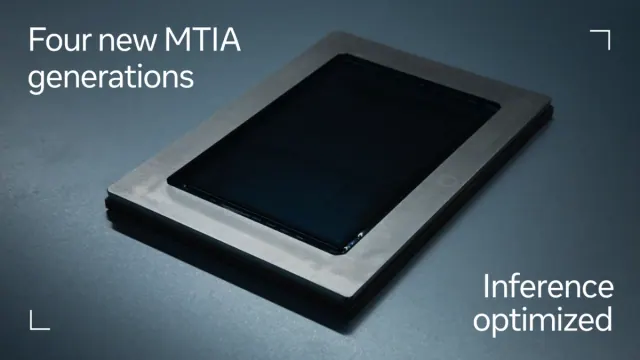
Meta has outlined plans for four custom accelerator generations developed with Broadcom, shifting internal hardware from recommendation training toward low-precision generative AI inference while sharing rack designs.
Meta has signed a multi-year infrastructure agreement with AMD to support its AI infrastructure with up to 6 gigawatts of AMD Instinct GPUs, aiming to start physical deliveries in the second half of 2026.
Agreements with Vistra, Oklo, and TerraPower combine operational plant extensions and uprates with long-range advanced reactor builds to feed regional grids serving Meta's domestic data centers.