
The formal release reaches the API, M Plan and MiniMax Code, while subscription migration carries separate conditions.
01 · Tech News
Follow the AI industry.
179 reports following 64 companies and partnerships from model release to physical deployment.
All Tech News
Browse every report, including the current lead.
Tag: API Pricing
9 articles · By source / event date · Page 1 of 1
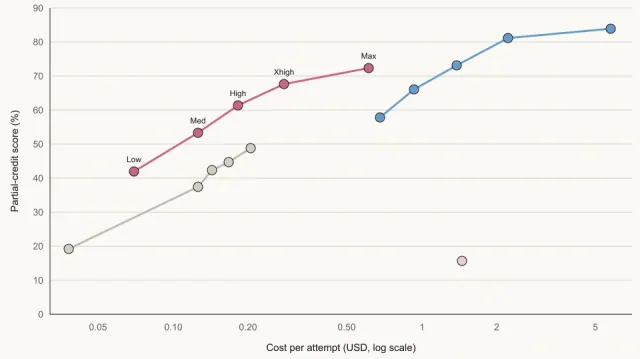
The lightweight model introduces adaptive thinking and lower starting rates, but requests with prompts beyond 100,000 tokens jump to a fivefold pricing bracket.
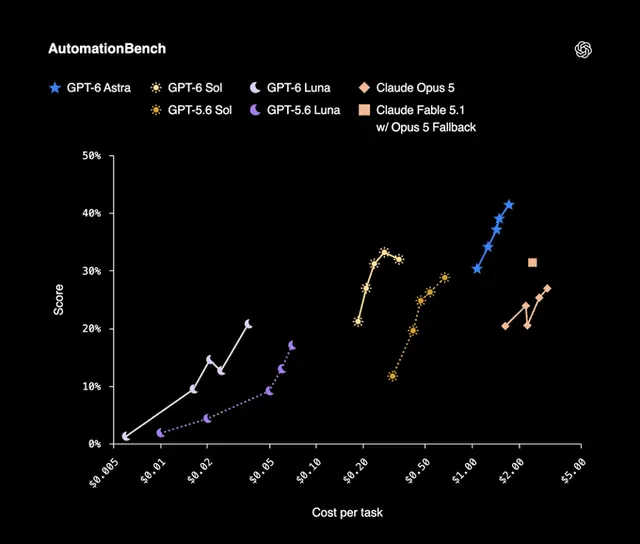
OpenAI has introduced GPT-6 Sol and GPT-6 Luna, adding cheaper models to its GPT-6 lineup while staging access across the API, ChatGPT Work and Codex. The release's performance figures are OpenAI evaluations, not independent benchmarks.
OpenAI and Anthropic cut API rates on September 22, but cheaper tokens do not automatically make a completed agent task cheaper. I read the price cuts as a lower ceiling on a bill—not an efficiency verdict—until teams compare cost, success, caching and retries on the same work.
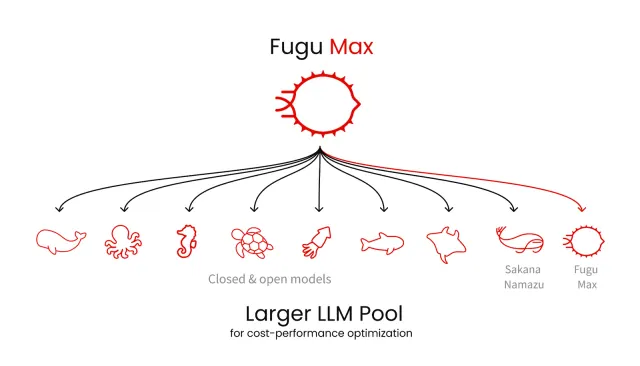
Max targets cost efficiency and Ultra v2 targets complex work. Both use fixed model pools, and the service is unavailable in the EU and EEA.
Google has launched Gemini 3.8 Flash for general availability alongside a restricted security variant, pairing temporary introductory API rates with an advisory that complex tasks may consume more tokens.
Anthropic has introduced Claude Fable 5.1 for general use and Claude Mythos 5.1 for vetted research partners, pairing the identical underlying model with divergent safeguards while reducing prompt cache-read prices by 75%.

Google has made `Gemini 3.7 Flash` available across its developer and enterprise channels, pairing behavioral updates for multi-step agent planning with introductory pricing through late 2026.
Xiaomi has introduced its MiMo-V2.5 model family for multimodal reasoning and autonomous tool workflows, removing context-length credit multipliers from its Token Plan and offering a two-week trial via Hermes Agent.