
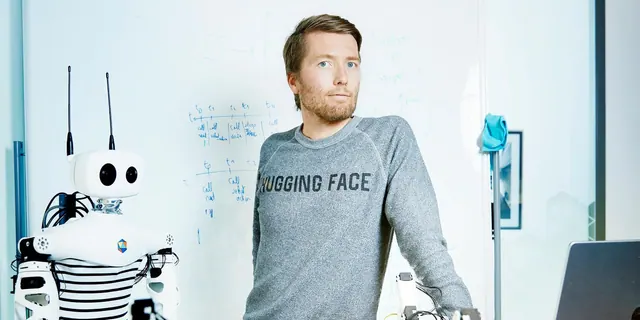
NVIDIA's $12.9 billion agreement to acquire Hugging Face turns the open ecosystem's town square into an asset owned by the dominant chipmaker. Neutrality does not disappear on the day ownership changes, but it stops being an assumed reputation and becomes an engineering contract that developers must continuously measure.
01 · Tech News
Follow the AI industry.
186 reports following 64 companies and partnerships from model release to physical deployment.
All Tech News
Browse every report, including the current lead.
Tag: Deep Dives
51 articles · By source / event date · Page 3 of 3
OpenAI's GPT-6 Astra can finish some agent tasks in fewer steps while raising the stakes of unsupervised execution. Efficiency is part of the case for Astra; it is not a reason to give the model more authority.

Google kept the introductory token rate identical to its predecessor, but one independent test found that higher reasoning effort and extra agent loops pushed the cost of finished work up by roughly 40 percent.
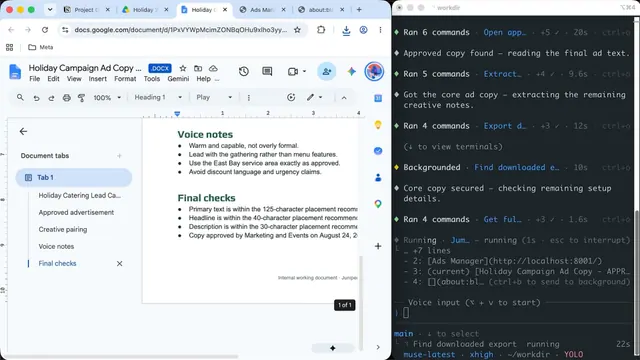
Muse Spark 1.3 makes Meta credible as a frontier API vendor. Whether it becomes infrastructure other companies can own still depends on three artifacts Meta has not released.
Anthropic’s Fable 5.1 and Mythos 5.1 share the same underlying model but not the same rules of engagement. That split is more important than another week at the top of a benchmark chart.
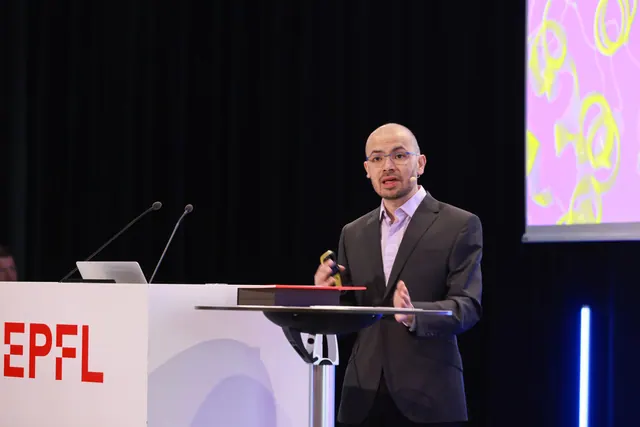
Demis Hassabis keeps the scientific authority. Koray Kavukcuoglu gets the delivery machinery and a direct line to Sundar Pichai. That is less a conventional succession than an admission that Google DeepMind had become two jobs wearing one title.
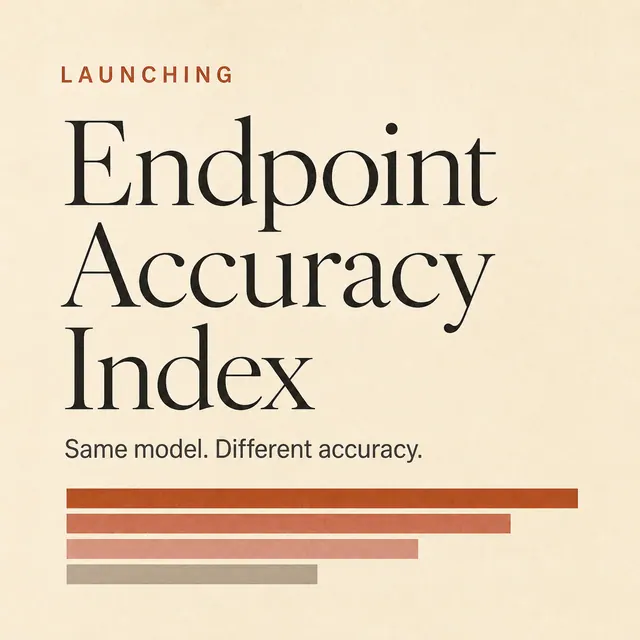
Open weights make a model portable, but they do not make hosted endpoints identical. Quantization, limits, parsers and plain software bugs can turn one model name into several products.

Alibaba’s Qwen3.8 puts a 2.4-trillion-parameter model in public repositories. That is a real expansion of freedom—but mainly for organizations already equipped to operate industrial AI infrastructure.

Enterprise buyers are being asked to treat multimodal tool use and coding scores as evidence of business output. But moving from a benchmark score to economic return depends on the unglamorous friction of permissions, harnesses, and human review.
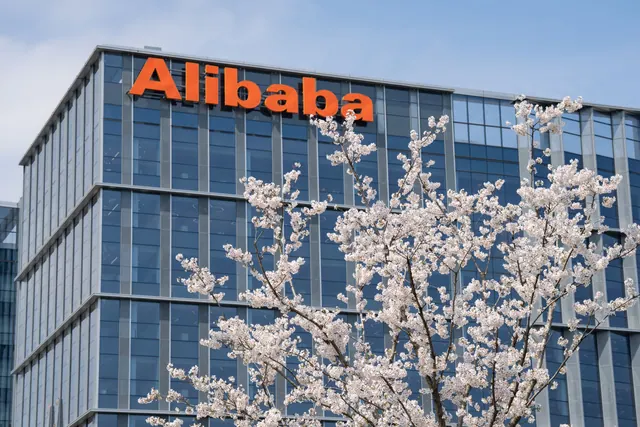
The name “Alibaba Token Hub” sounds like strategy-deck language. The org chart beneath it is more serious: model research, cloud delivery and AI applications now share a group, with CEO Eddie Wu personally in charge.

The fashionable consumer-AI product begins with an empty chat box. Baidu’s new Personal Super Intelligence group starts somewhere less glamorous and potentially more useful: the documents and folders people already have.