
A slightly sharper model is an ephemeral advantage; the enduring prize is the living record of a person's unfinished tasks, verified authorizations, and accumulated life patterns. As companies race to run our errands, whoever manages our daily context will command our highest switching costs.
01 · Tech News
Follow the AI industry.
96 reports following 49 companies and partnerships from model release to physical deployment.
All Tech News
Browse every report, including the current lead.
Tag: Deep Dives
25 articles · By event date
Anthropic wants Claude to finish the memo, not just brainstorm it. But turning an AI reasoning loop into a corporate file cabinet requires solving the unglamorous mechanics of enterprise governance.
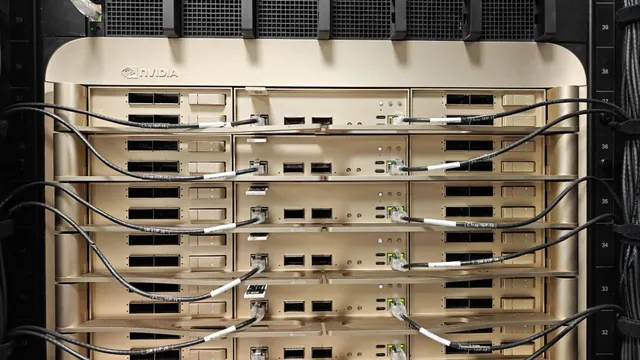
NVIDIA’s MLPerf Inference v6.1 preview numbers for the Vera Rubin NVL72 show impressive throughput gains on reasoning and multimodal workloads. But treating a tuned, rack-scale benchmark as a finished total-cost-of-ownership argument ignores the power, price, delivery, and utilization realities that enterprise infrastructure requires.
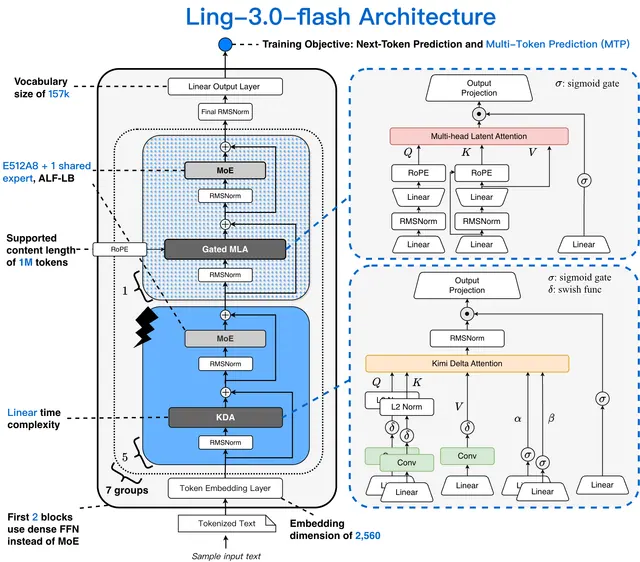
Ling 3.0 Flash Fin can retrieve, reason and edit spreadsheets. Its real test is whether a human can trace every number after the model is done.
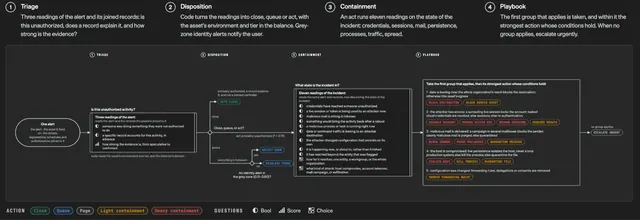
TypeSafe’s new model refuses to write. That limitation may make it useful inside software—but a typed answer can still be confidently wrong.
Superhuman’s acquisition of Fathom is not an admission that transcription models are hard to wrap. It is a calculated bet that downstream agents cannot act safely without the conversational record where intent turns into an obligation.
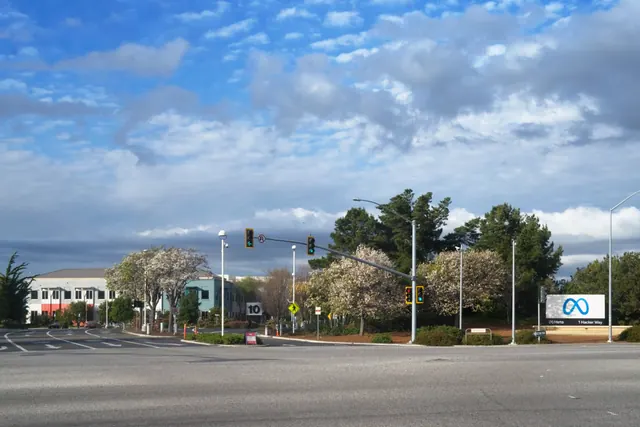
The reported return of selected managers inside Meta’s Applied AI group is not proof that flattening failed. It is a reminder that making more work, faster, creates an integration problem of its own.

Astra is not generating the movie. It is making the rough 3D scene that gives a video model less room to forget where everything is.
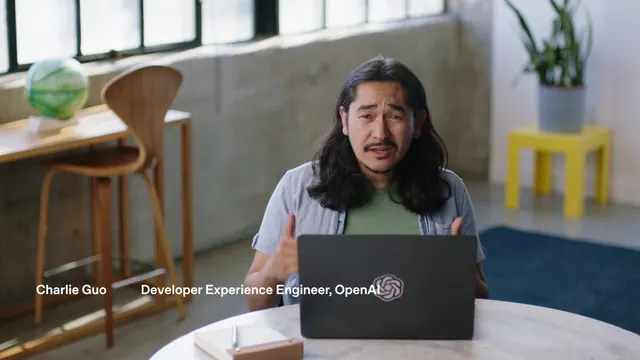
OpenAI's Agents API packages the operational plumbing of autonomous execution into a managed service. But while delegating the loop saves engineering hours, it leaves the boundaries, authorization, and proof of work entirely on the developer's desk.
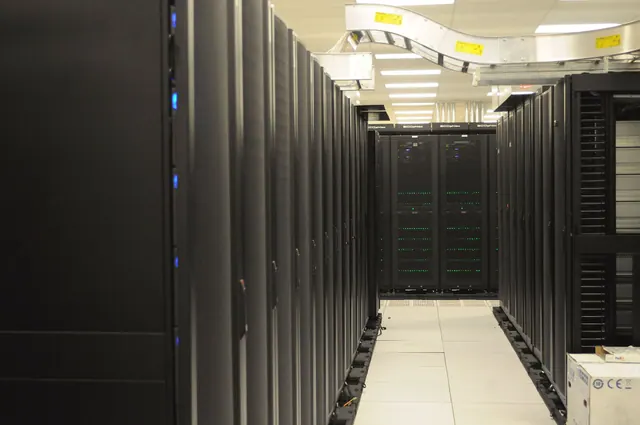
DeepSeek’s compression of active key-value memory attacks a real cost center of long-context agents. But shrinking memory per token does not remove the difficulty of operating its very large composite model.
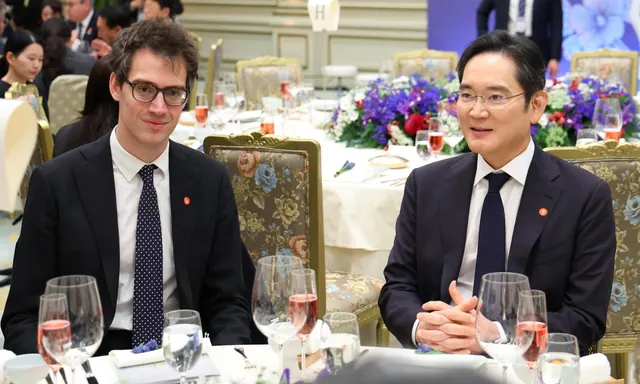
Mistral’s record Series D purchases computing capacity, enterprise runway, and a pivot down the infrastructure stack. It does not buy automatic independence from foreign silicon or resolve the tension between building frontier models and operating European cloud services.
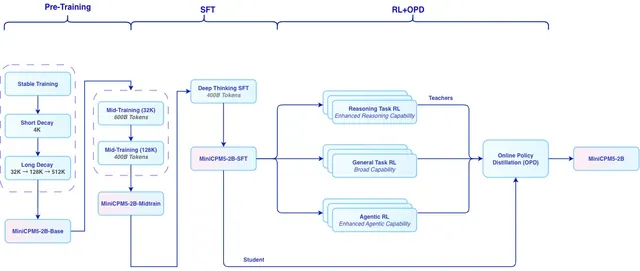
MiniCPM5-2B is not a frontier model squeezed into a phone. It is a useful new routing layer—if products let it decline the jobs it cannot do.
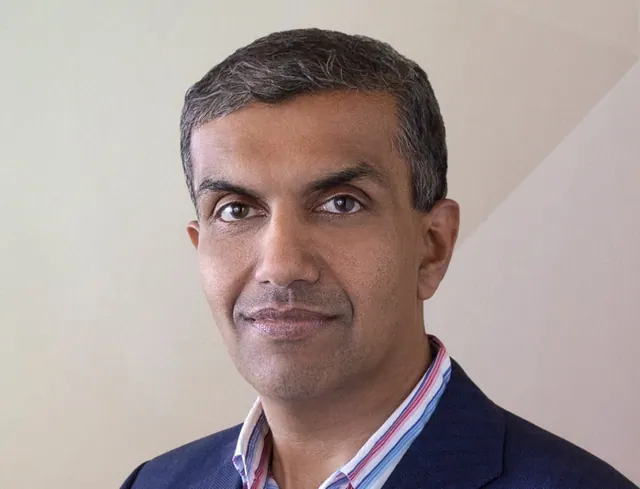
A CEO appointment is also a product decision. By choosing Anil Chakravarthy, Adobe appears to be betting that its most durable advantage lies in enterprise data and workflow—not in owning every creative act.
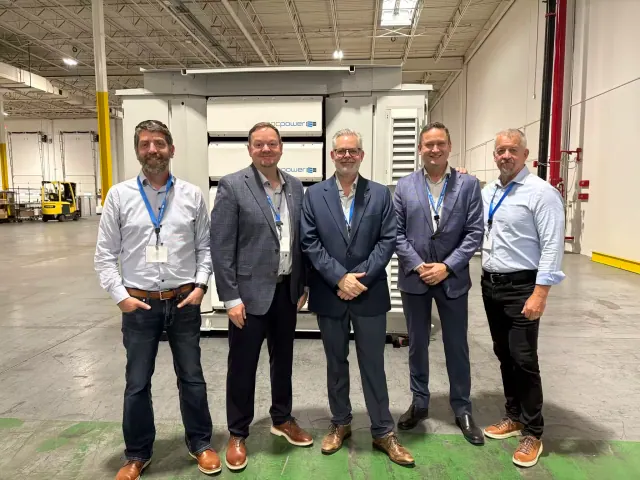
Flex is paying $4.4 billion for EPC Power to capture the electrical conversion layer inside the data center. Higher voltages and sub-second control can reshape how compute clusters draw energy, but they cannot manufacture new electrons.
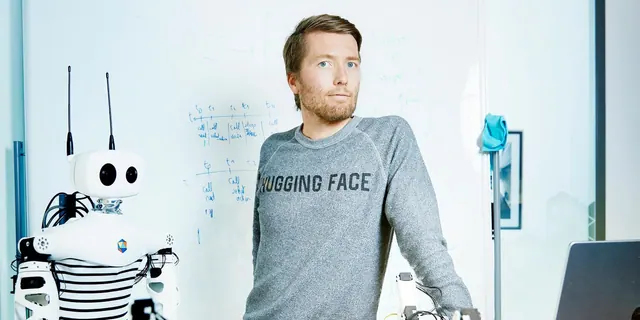
NVIDIA's $12.9 billion agreement to acquire Hugging Face turns the open ecosystem's town square into an asset owned by the dominant chipmaker. Neutrality does not disappear on the day ownership changes, but it stops being an assumed reputation and becomes an engineering contract that developers must continuously measure.
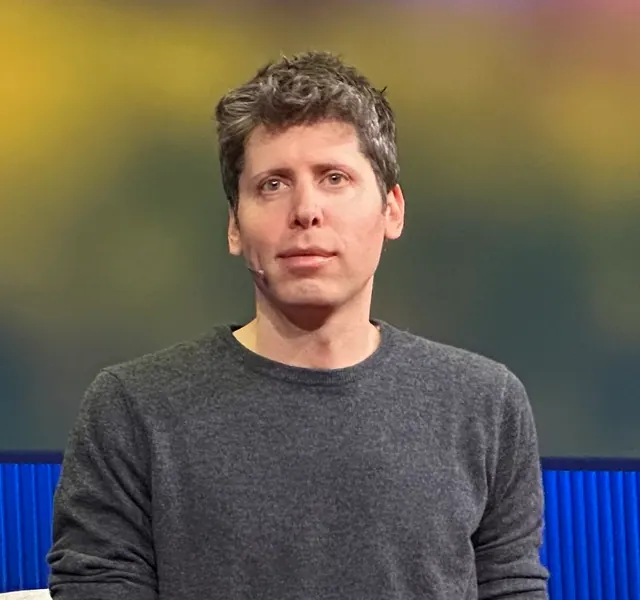
OpenAI's GPT-6 Astra can finish some agent tasks in fewer steps while raising the stakes of unsupervised execution. Efficiency is part of the case for Astra; it is not a reason to give the model more authority.
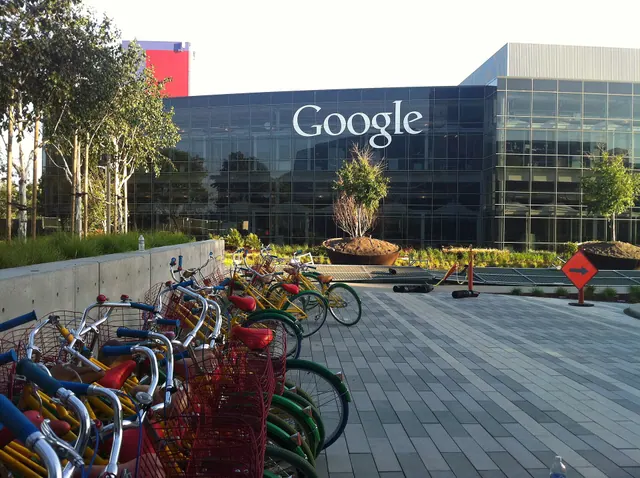
Google kept the introductory token rate identical to its predecessor, but one independent test found that higher reasoning effort and extra agent loops pushed the cost of finished work up by roughly 40 percent.
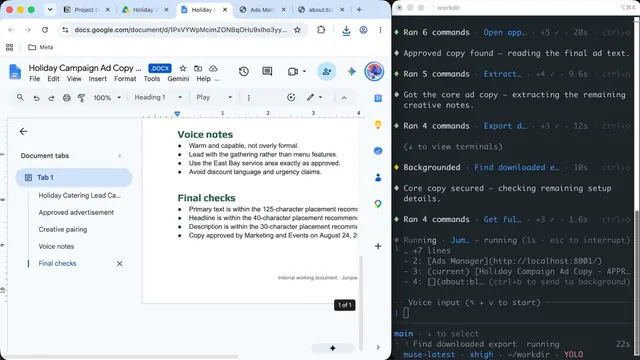
Muse Spark 1.3 makes Meta credible as a frontier API vendor. Whether it becomes infrastructure other companies can own still depends on three artifacts Meta has not released.
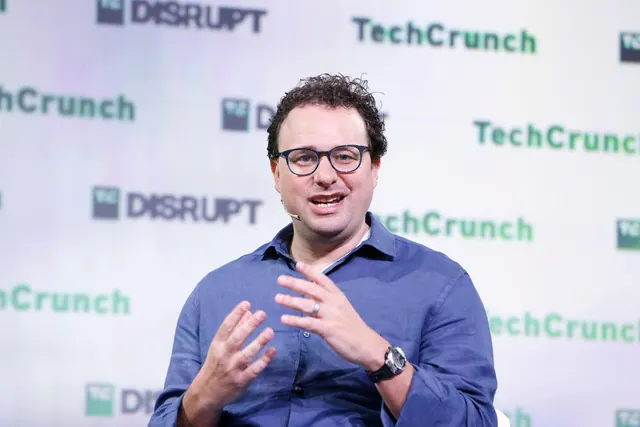
Anthropic’s Fable 5.1 and Mythos 5.1 share the same underlying model but not the same rules of engagement. That split is more important than another week at the top of a benchmark chart.
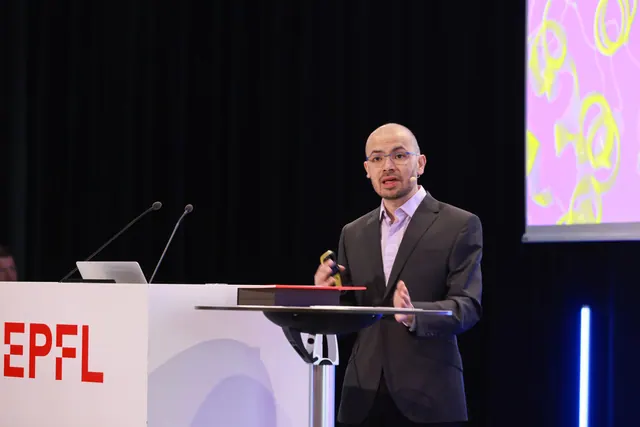
Demis Hassabis keeps the scientific authority. Koray Kavukcuoglu gets the delivery machinery and a direct line to Sundar Pichai. That is less a conventional succession than an admission that Google DeepMind had become two jobs wearing one title.