
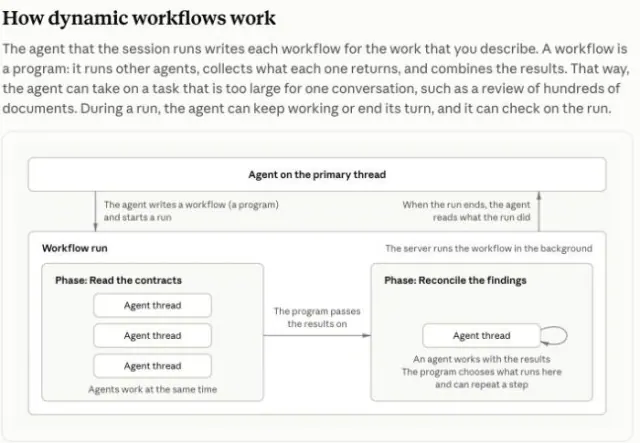
Agents can write programs that divide large tasks into phases and combine results, with spending and completion conditions developers need to handle.
01 · Tech News
Follow the AI industry.
179 reports following 64 companies and partnerships from model release to physical deployment.
All Tech News
Browse every report, including the current lead.
Tag: Models & Platforms
72 articles · By source / event date · Page 2 of 4
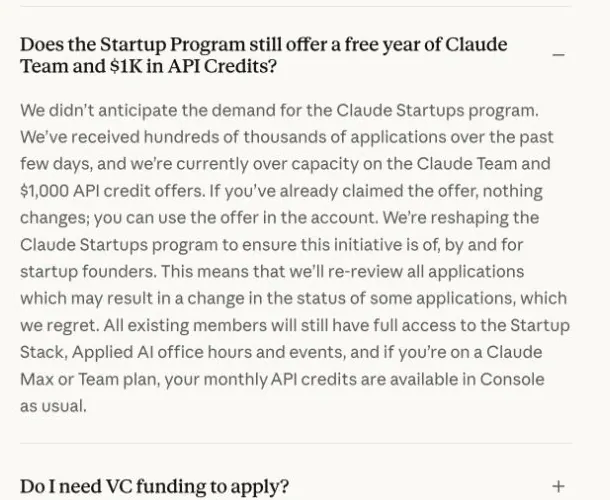
Already-claimed offers remain active while Anthropic re-reviews applications; existing members keep other program benefits.

The company’s October 9 report describes unintended interactions with live government and other websites. Its broader internet restriction will remain until security and monitoring measures reliably catch such behavior.
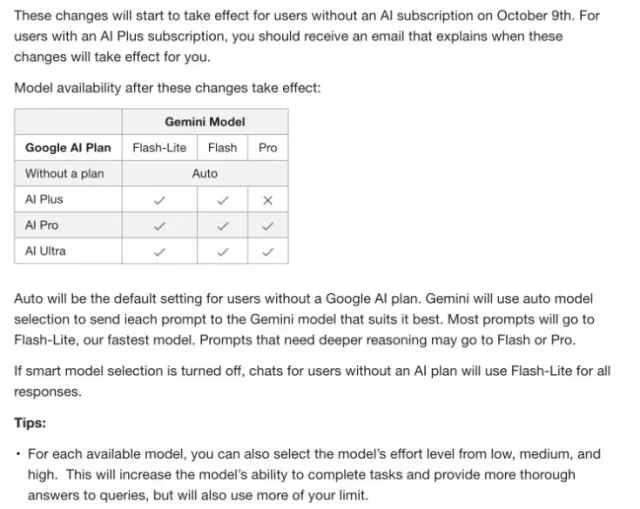
The current help page says deeper prompts may reach Flash or Pro; most free-account prompts go to Flash-Lite.
The enterprise agent combines model choice, shared skills and Workspace access. Google describes controls for permissions, network traffic and the token and sandbox costs of delegated work.
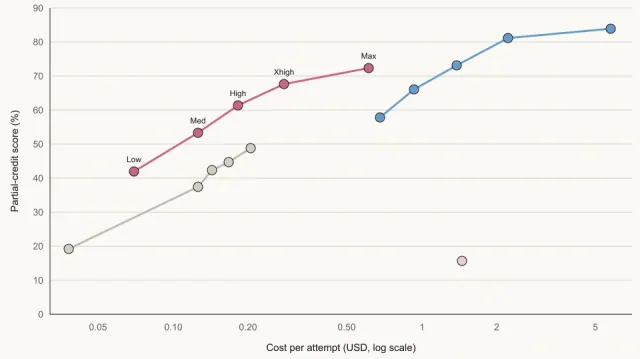
The lightweight model introduces adaptive thinking and lower starting rates, but requests with prompts beyond 100,000 tokens jump to a fivefold pricing bracket.

Answers can include interactive tools, diagrams and comparisons. The rollout starts with paid plans, with specific app and thinking-level restrictions.

Defense Access opens applications to eligible individual researchers as well as organizations, while higher tiers require stronger vetting. Data retention and cloud-provider restrictions remain material conditions.

Mistral AI has launched an API preview of its natively multimodal mixture-of-experts model, offering a 1-million-token context window alongside promotional inference pricing. Standalone weights for self-hosting remain unreleased, with the French AI lab scheduling a public download for late October.
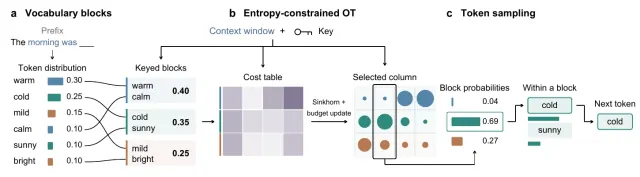
OpenAI has launched an invisible text-watermarking system called `textGrain`, making it available as an opt-in feature for API customers and preparing a phased rollout for eligible ChatGPT and Codex outputs in the European Union. Detection access remains restricted to approved researchers, and vendor evaluations show that detection reliability degrades significantly when text is edited or lacks sufficient length.

Reflection has unveiled Beam, a sparse mixture-of-experts model offering 23 billion active parameters and a planned open-weights release, alongside estimated inference-compute claims that exclude real-world serving overhead.

The nomination-only program pairs a four-day intensive with 12 weeks of deployment support, targeting 10,000 Frontier Deployed Engineers across enterprise partners by the end of 2027.

Apple says it will introduce stricter controls for macOS Full Disk Access, pointing to broad data exposure risks and the emergence of increasingly autonomous AI software.

Cloudflare has introduced an open beta of its Web Search API, routing retrieval queries across three search providers at list prices while leaving model orchestration to developers.

Developers can now link custom ESP32 microcontrollers and Linux systems to Meta's Muse assistant, but backend service terms restrict tokens to personal, noncommercial deployments.

The extensions can change prompts, tool calls and on-screen controls. They also run with the user’s machine permissions, making trust in the plugin’s author a material part of installation.

The September 30 subpoena advances an ongoing inquiry into cybersecurity incidents and risks involving the company and its models; the announcement makes no finding of wrongdoing.

Anthropic is opening a beta program that lets verified life-science teams apply for more permissive biology safeguards, while high-risk work stays limited to vetted projects and individual and third-party users are excluded at launch.

OpenAI has introduced a company-run system to investigate and publish individual examples of model misalignment across training, evaluation and deployment. The company says the initiative creates formal disclosure lanes, but remains an evolving proposal whose six initial cases do not measure how frequently these failures occur.
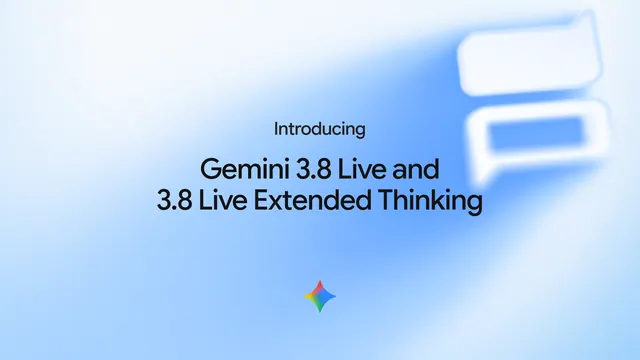
Google has released two Gemini 3 Pro–based voice models designed for real-time interaction and background reasoning, with different distribution lists across the Gemini API, Google Cloud, consumer products and Workspace.