
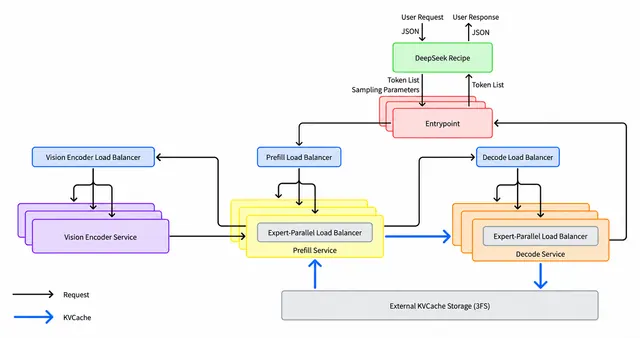
DeepInfer gives developers a closer look at how DeepSeek serves its models. The decision to operate it depends on hardware, the missing service components and the workload that has to pay for them.
01 · Tech News
Follow the AI industry.
184 reports following 64 companies and partnerships from model release to physical deployment.
All Tech News
Browse every report, including the current lead.
Tag: AI Infrastructure
20 articles · By source / event date · Page 1 of 1
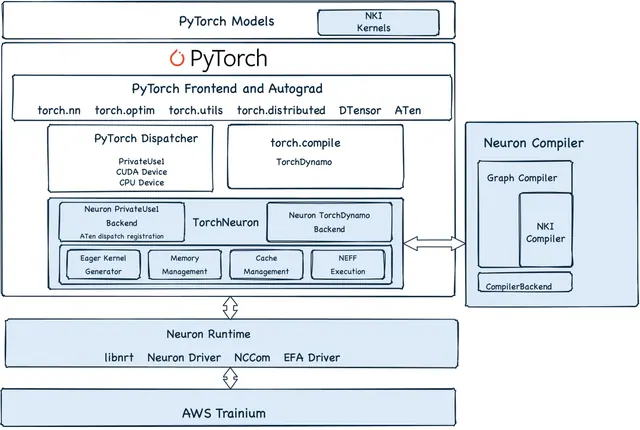
TorchNeuron gives PyTorch developers a familiar route onto Amazon’s AI chips. Library support, compilation waits and the cost of a complete job decide whether that route is worth taking.
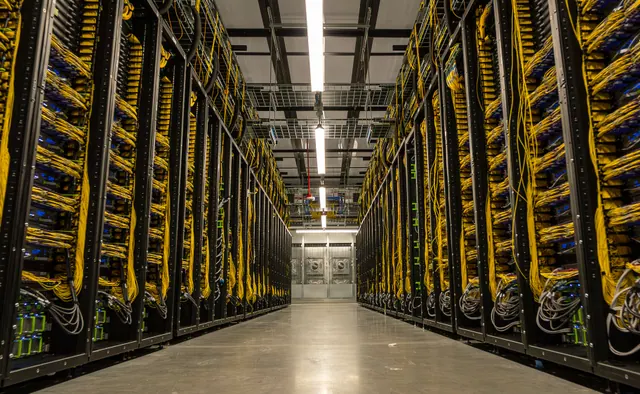
The Ohio training cluster already supports Muse models; its planned final scale and next hardware generation remain ahead.
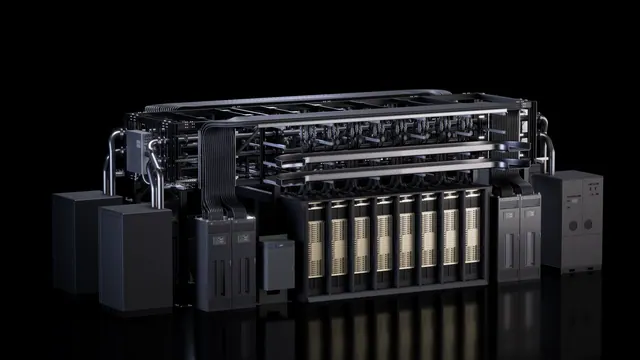
Shared interfaces can give equipment makers a common target and buyers more options. The useful test is whether a specific replacement works in a supported system.
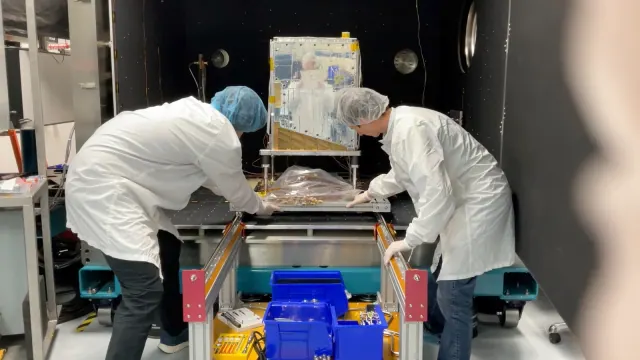
Suncatcher's four-chip prototype tests whether Google's hardware can survive in orbit. The stronger commercial test is whether processing satellite imagery before downlink saves enough time and bandwidth to justify dedicated machines—and what observations are lost when an algorithm decides what stays behind.
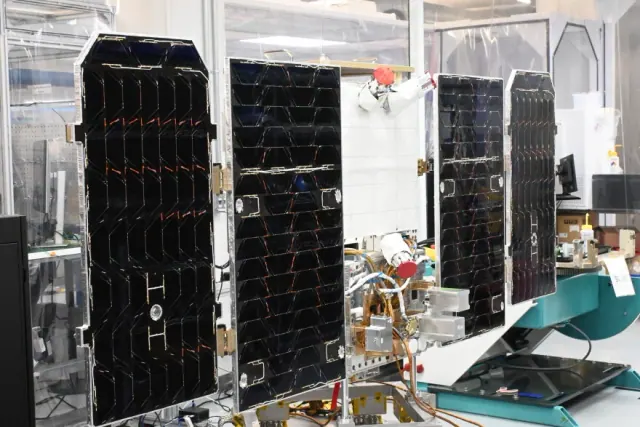
Planet has contacted the experimental spacecraft after launch. The mission will test Google’s AI processors in space, with heat management and radiation among the challenges.
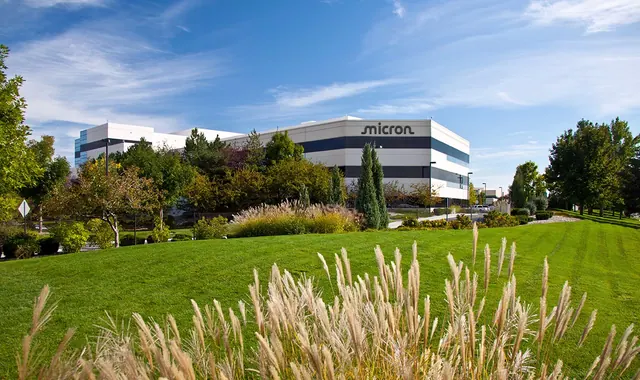
Customers are committing cash and future purchases to secure memory supply. The agreements give Micron more confidence to expand, while leaving it responsible for turning investment into working factories.
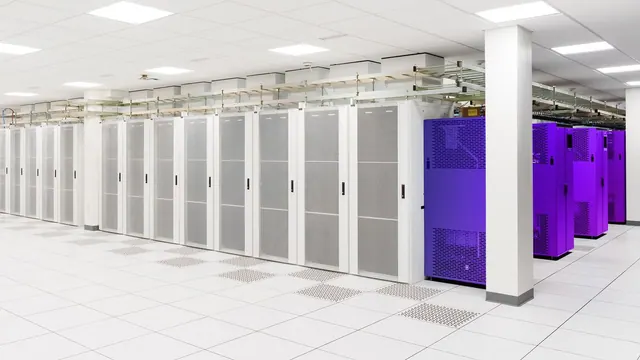
Anthropic’s seven-year cloud commitment is a strong signal of demand for CPU capacity. Its value, though, depends on a less dramatic milestone: Akamai must deliver available infrastructure before most of the projected revenue arrives.
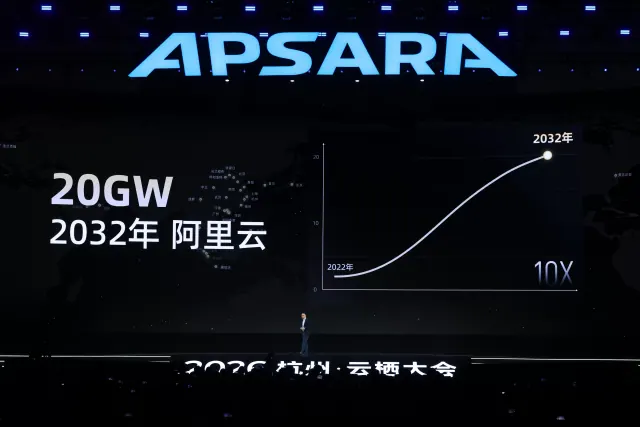
The company says Qwen 4 is in training and targets a Q1 2027 commercial launch for its new AI accelerator; performance figures remain company claims.

OpenAI paused new ChatGPT Pro 20X sales one week after GPT-6 Astra launched, then restored a one-time path for some former subscribers. The sequence shows how a subscription tier can become a tool for rationing scarce model capacity.
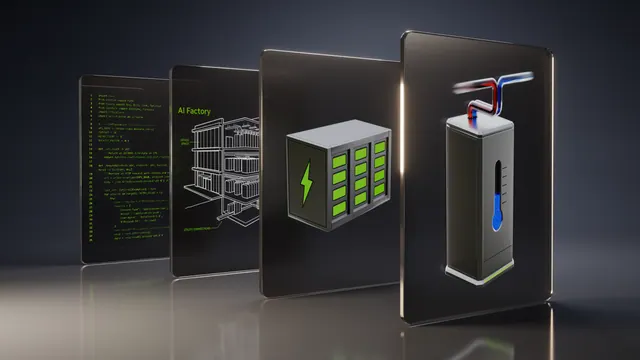
NVIDIA has launched a company-run qualification program for battery energy storage systems and cooling distribution units designed around its DSX AI-factory reference requirements. The program gives suppliers a defined NVIDIA review path, but it does not replace site-level engineering or establish site stability.

NVIDIA’s first Vera Rubin NVL72 MLPerf preview reports up to 3.7x the throughput of GB300 NVL72 on Qwen3-VL and up to 2.5x on DeepSeek-R1, under specific closed-division configurations.
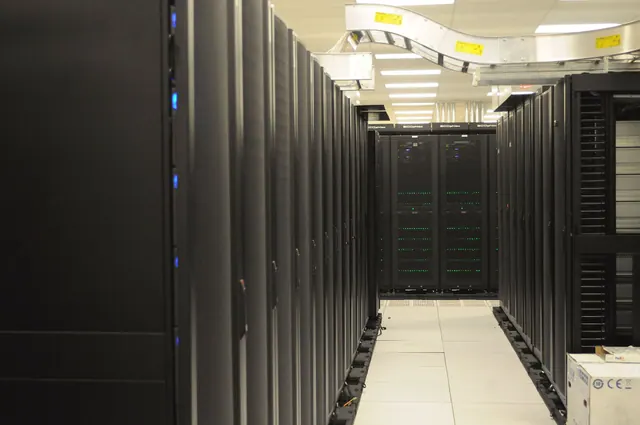
DeepSeek’s compression of active key-value memory attacks a real cost center of long-context agents. But shrinking memory per token does not remove the difficulty of operating its very large composite model.

The September 8 announcement values Mistral at more than €21 billion and links new funding to research, computing infrastructure and expansion of its enterprise business.
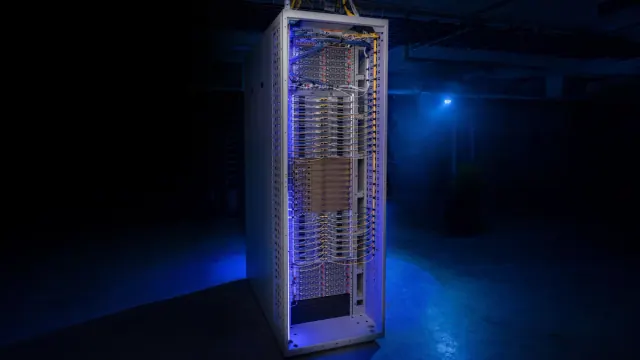
Live GPU services, early rack deployments, and planned data centers represent different stages of AI expansion. Recent announcements show why their capacities and performance claims need to be read separately.
Muse Spark 1.3 makes Meta credible as a frontier API vendor. Whether it becomes infrastructure other companies can own still depends on three artifacts Meta has not released.

GPU Cloud revenue grew rapidly from a year earlier, while online marketing revenue remained under pressure and total group revenue fell 4%.

The specialized cloud provider has announced its first Asia-Pacific expansion across three planned facilities, setting a multi-year target that does not alter near-term compute availability.

Alibaba’s Qwen3.8 puts a 2.4-trillion-parameter model in public repositories. That is a real expansion of freedom—but mainly for organizations already equipped to operate industrial AI infrastructure.

Reliance Industries will build the facility in Gujarat with expansion options, supported by seawater cooling and 925 MW in separate clean-energy procurement agreements.