
Google’s September 30 announcement starts with restricted access for cyber defenders. The model also targets long-running software and knowledge work, with a larger output allowance and introductory API prices.
01 · Tech News
Follow the AI industry.
179 reports following 64 companies and partnerships from model release to physical deployment.
All Tech News
Browse every report, including the current lead.
179 articles · By source / event date · Page 4 of 9
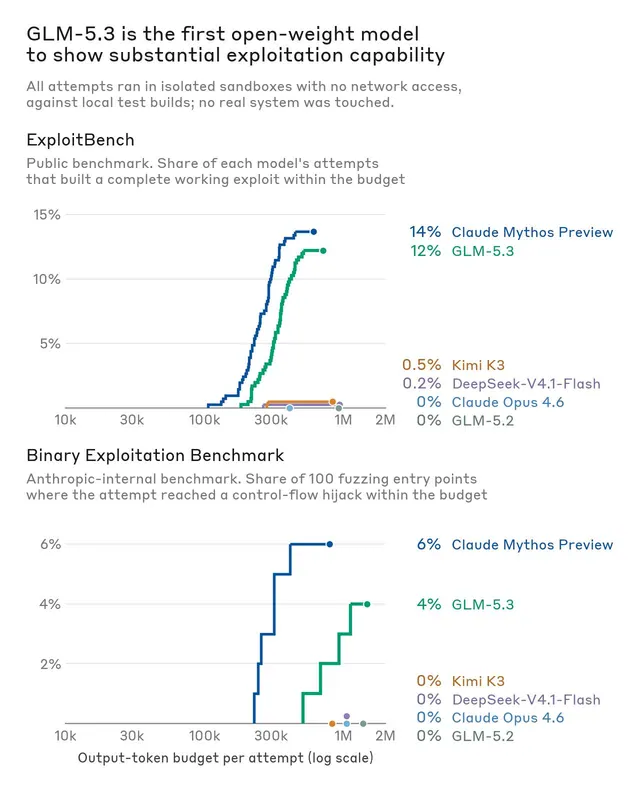
Anthropic’s September 29 report separates exploit-development capability from safeguard behavior. The open-weight model’s availability is central to the company’s concern, while an earlier NIST assessment provides a different benchmark comparison.
OpenAI’s September 29 release lowers cached-input prices and reports gains over GPT-6 Sol. Its comparisons with Astra depend on the task and evaluation setup, while access remains split between Work, Codex and the API.
The September 28 release retains Sonnet 5’s base token prices, adds deployment safeguards and changes a setting developers need when migrating workloads that previously disabled thinking.
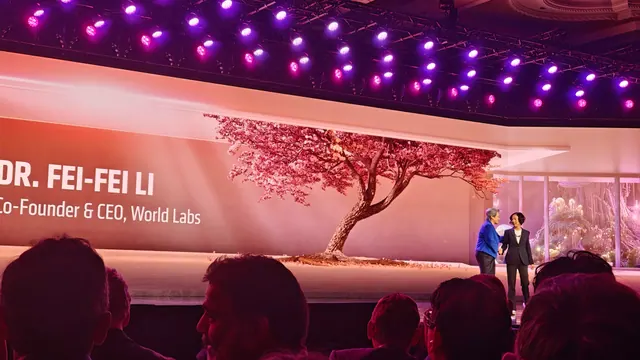
AMD wants a stronger position in the next phase of AI. Fei-Fei Li’s World Labs needs room to pursue expensive research while the market for world models takes shape. Their proposed deal brings those ambitions together.
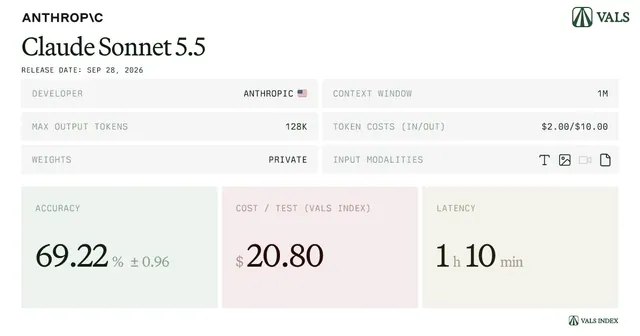
Anthropic’s system card describes a Claude Code run at max effort; Vals AI used Terminus 2. The gap is real, but these runs cannot explain its cause or tell a team which setup will work in its own coding workflow.
Meta’s Connect recap moves its hosted model API beyond preview, while coding tools, cloud partnerships and local weights give developers distinct routes into the Muse family.
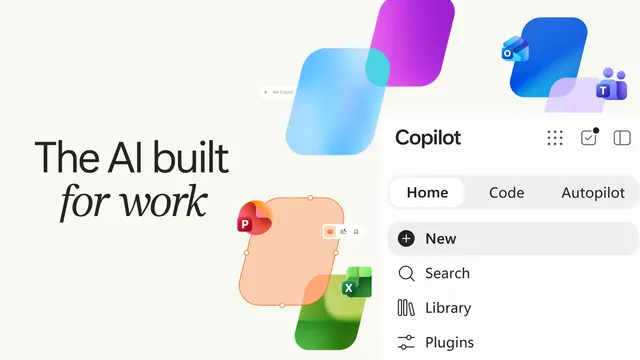
The September 25 announcement combines Office files, app building and persistent agents, with staged previews and separate subscription and usage-based billing.
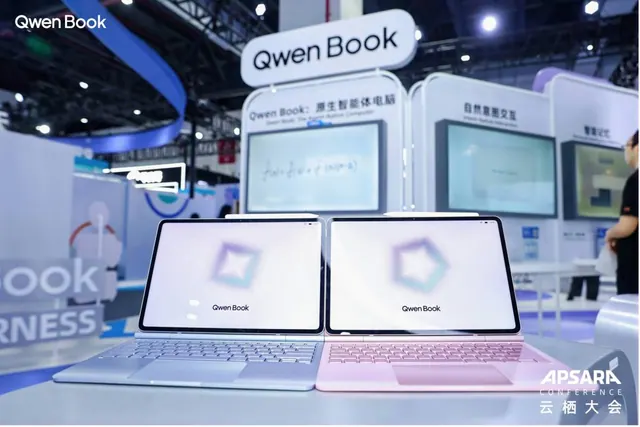
Alibaba’s Qwen lineup now includes an agent-ready computer, smart glasses, earbuds and a note-taking device. The company has not given Qwen Book a price or release date, while the QwenNote A2 is already on sale in China.
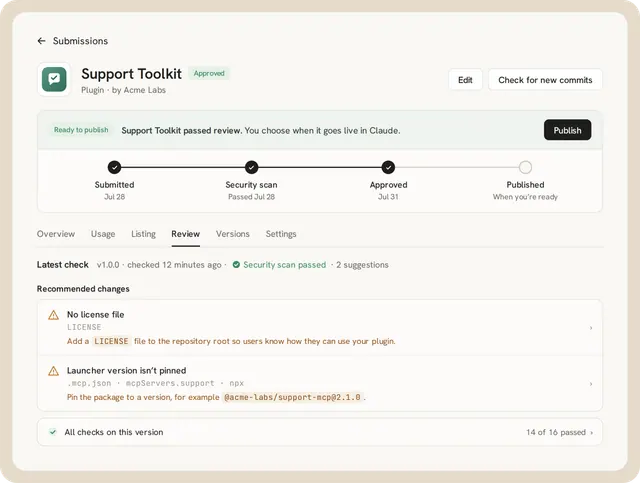
The portal lets developers on paid Claude plans submit connectors or plugin bundles, track safety reviews and choose when approved listings go live. It will also report installs and listing discovery after publication.
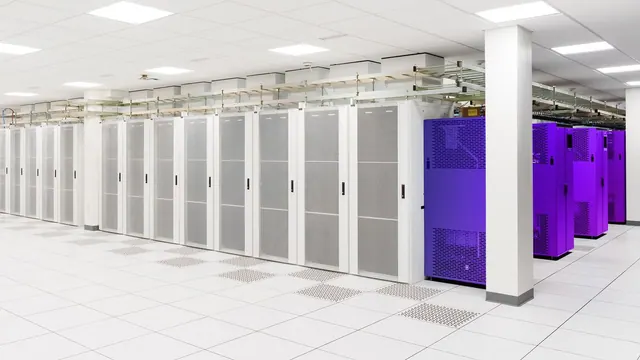
Anthropic’s seven-year cloud commitment is a strong signal of demand for CPU capacity. Its value, though, depends on a less dramatic milestone: Akamai must deliver available infrastructure before most of the projected revenue arrives.
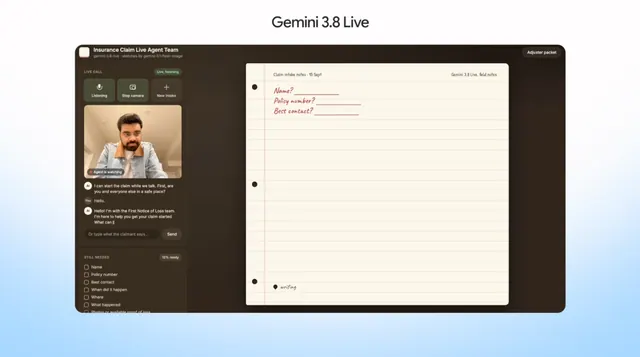
Google has made a live video avatar available to Gemini Enterprise customers. The capacity model is unusually concrete; evidence that a face improves service outcomes is not.
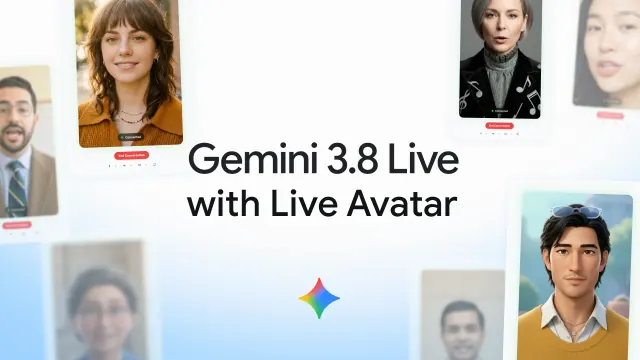
Google has made Gemini 3.8 Live with Live Avatar generally available in Gemini Enterprise. The release combines voice and video interaction with background tool calls, while custom avatar creation remains allowlisted and Extended Thinking remains in private preview.
Anthropic has released Claude Opus 5.5, the first model in its Claude 5.5 family, with lower listed token prices than Opus 5 and broad cloud availability. Biology and cybersecurity use remain subject to verification programs because Anthropic classifies the model as comparable to Claude Mythos 5.1 in those areas.

Meta’s confidential-computing design could make cloud inference harder for the company itself to inspect. That is meaningful protection for data in computation, but it does not answer the privacy questions that begin before a request reaches the server.

Meta's $349 audio-only glasses keep calls, music and voice AI but leave out camera-based features. The new camera-equipped Ray-Ban Meta (Gen 3) starts at $449.
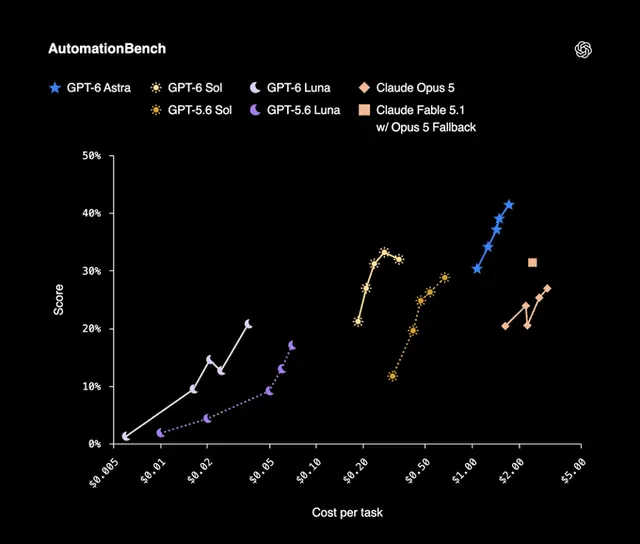
OpenAI has introduced GPT-6 Sol and GPT-6 Luna, adding cheaper models to its GPT-6 lineup while staging access across the API, ChatGPT Work and Codex. The release's performance figures are OpenAI evaluations, not independent benchmarks.
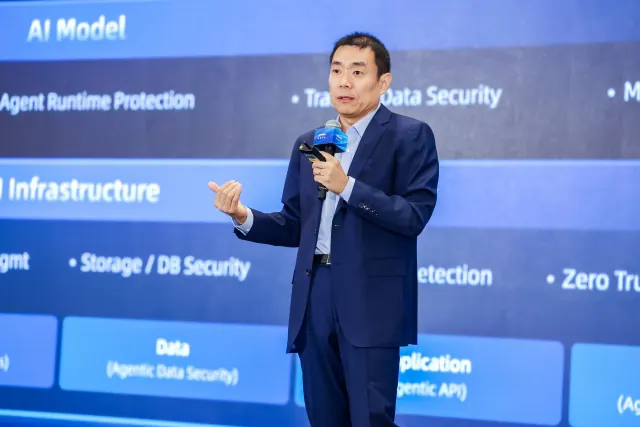
Alibaba announced Qwen models for live translation and audio, with an image model planned for later in 2026. Qwen 4 is still in training; the 5–10 trillion parameter target applies to later models.
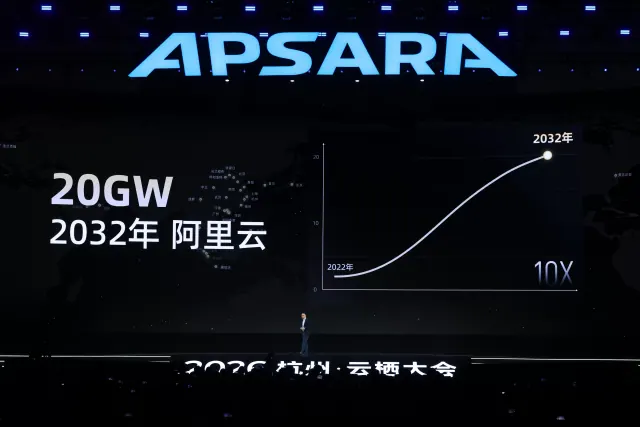
The company says Qwen 4 is in training and targets a Q1 2027 commercial launch for its new AI accelerator; performance figures remain company claims.
OpenAI and Anthropic cut API rates on September 22, but cheaper tokens do not automatically make a completed agent task cheaper. I read the price cuts as a lower ceiling on a bill—not an efficiency verdict—until teams compare cost, success, caching and retries on the same work.