
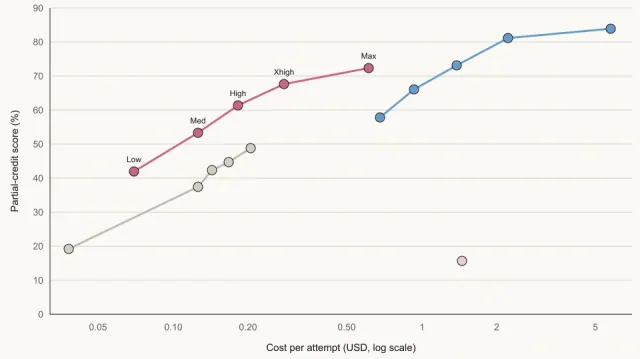
The lightweight model introduces adaptive thinking and lower starting rates, but requests with prompts beyond 100,000 tokens jump to a fivefold pricing bracket.
01 · Tech News
Follow the AI industry.
179 reports following 64 companies and partnerships from model release to physical deployment.
All Tech News
Browse every report, including the current lead.
179 articles · By source / event date · Page 3 of 9
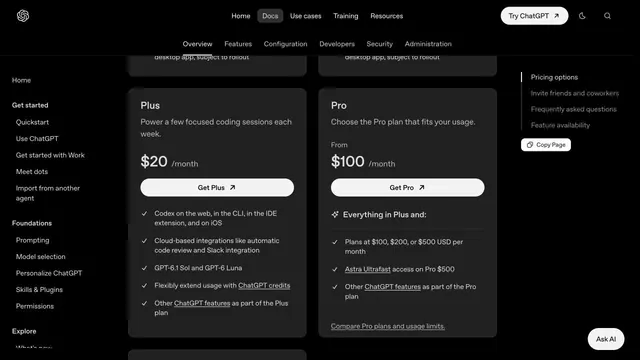
OpenAI has delivered improvements and a usage reset. Its next test is whether Pro subscribers can still plan their work as older allowances expire on October 29.

Answers can include interactive tools, diagrams and comparisons. The rollout starts with paid plans, with specific app and thinking-level restrictions.

Defense Access opens applications to eligible individual researchers as well as organizations, while higher tiers require stronger vetting. Data retention and cloud-provider restrictions remain material conditions.
Google’s new embedder can search across text, images, video and audio on local hardware. Its compression options expose a harder product decision: how much space to save before losing the searches users came for.
Mistral AI has launched an API preview of its natively multimodal mixture-of-experts model, offering a 1-million-token context window alongside promotional inference pricing. Standalone weights for self-hosting remain unreleased, with the French AI lab scheduling a public download for late October.
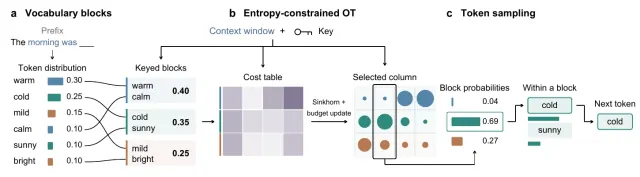
OpenAI has launched an invisible text-watermarking system called `textGrain`, making it available as an opt-in feature for API customers and preparing a phased rollout for eligible ChatGPT and Codex outputs in the European Union. Detection access remains restricted to approved researchers, and vendor evaluations show that detection reliability degrades significantly when text is edited or lacks sufficient length.
Reflection has unveiled Beam, a sparse mixture-of-experts model offering 23 billion active parameters and a planned open-weights release, alongside estimated inference-compute claims that exclude real-world serving overhead.

The nomination-only program pairs a four-day intensive with 12 weeks of deployment support, targeting 10,000 Frontier Deployed Engineers across enterprise partners by the end of 2027.

Apple says it will introduce stricter controls for macOS Full Disk Access, pointing to broad data exposure risks and the emergence of increasingly autonomous AI software.

Cloudflare has introduced an open beta of its Web Search API, routing retrieval queries across three search providers at list prices while leaving model orchestration to developers.
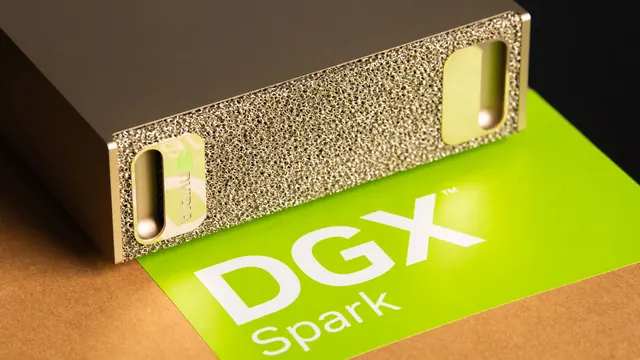
The new 64GB configuration starts $1,000 above the original 128GB model's launch price. Persistent memory shortages make that compromise understandable—and make a discretionary purchase harder to recommend.
The proposed acquisition gives Supabase a way to serve large numbers of small agent databases alongside its Postgres business. Keeping idle projects affordable is the immediate opportunity. The harder test is giving customers a reason to keep building on the platform.

Developers can now link custom ESP32 microcontrollers and Linux systems to Meta's Muse assistant, but backend service terms restrict tokens to personal, noncommercial deployments.
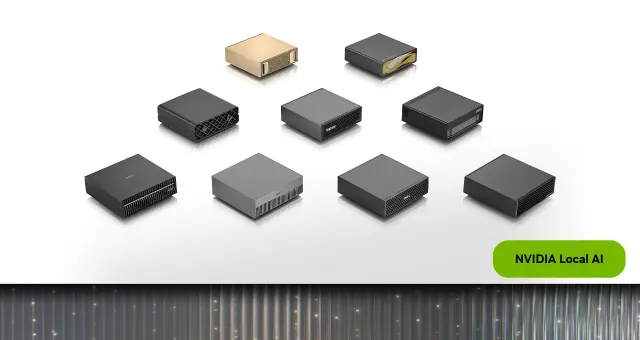
NVIDIA’s hardware partners will release a 64GB unified-memory tier of the Grace Blackwell-based DGX Spark on October 23, aimed at smaller local AI inference, agent workflows, and multi-unit clustering.

The extensions can change prompts, tool calls and on-screen controls. They also run with the user’s machine permissions, making trust in the plugin’s author a material part of installation.
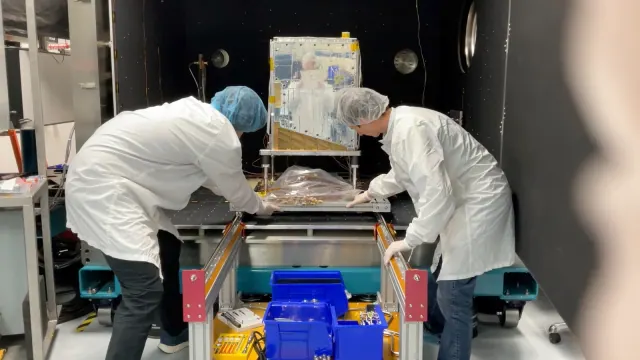
Suncatcher's four-chip prototype tests whether Google's hardware can survive in orbit. The stronger commercial test is whether processing satellite imagery before downlink saves enough time and bandwidth to justify dedicated machines—and what observations are lost when an algorithm decides what stays behind.
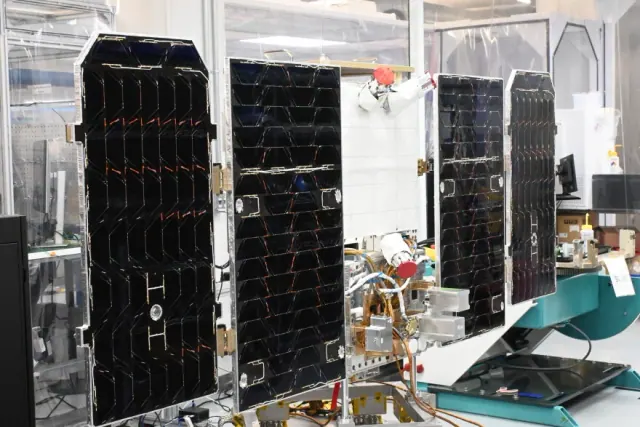
Planet has contacted the experimental spacecraft after launch. The mission will test Google’s AI processors in space, with heat management and radiation among the challenges.

The September 30 subpoena advances an ongoing inquiry into cybersecurity incidents and risks involving the company and its models; the announcement makes no finding of wrongdoing.
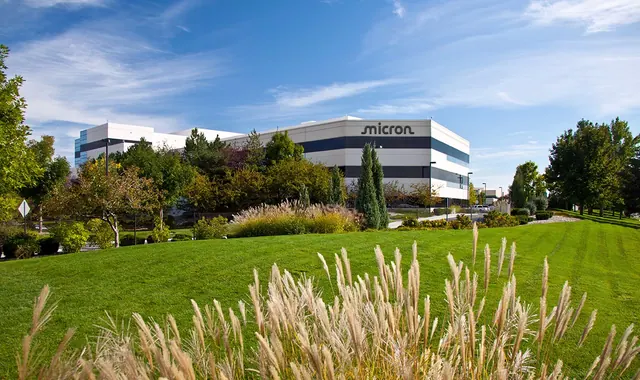
Customers are committing cash and future purchases to secure memory supply. The agreements give Micron more confidence to expand, while leaving it responsible for turning investment into working factories.